Let's name what's actually happening
You had kids. And somewhere between the midnight feedings, the constant touch demands, and the mental load that never stops, your pleasure disappeared. Not gradually. All at once. Like flipping a switch.
Here's the thing nobody tells you: that's not laziness or lost love. That's neurobiology.
Why parenthood disconnects you from desire
Your body is in survival mode. For years. The neural pathways that fire up desire get crowded out by the ones handling vigilance, task management, and physical depletion. A child needs you constantly. Your nervous system learns that your body is a resource for someone else, not a source of pleasure for yourself. That rewiring is profound.
Meanwhile, your partner might be untouched by this shift. They go to work, come home, and their pleasure circuitry is still intact. They want sex the same way they always did. And you look at them like they're asking you to solve a math problem while you're already drowning.
This is not a relationship problem. This is a nervous system problem wearing a relationship disguise.
The physical dimension
Parenthood also changes your body's physical responsiveness, separate from desire. When you're in a chronic state of low-level stress, your vaginal blood flow decreases. Your clitoris becomes less engorged during arousal. Orgasms require more stimulation to build. And because you're touched out from kids, the idea of being touched for pleasure feels like an additional demand on your body rather than a gift to it.
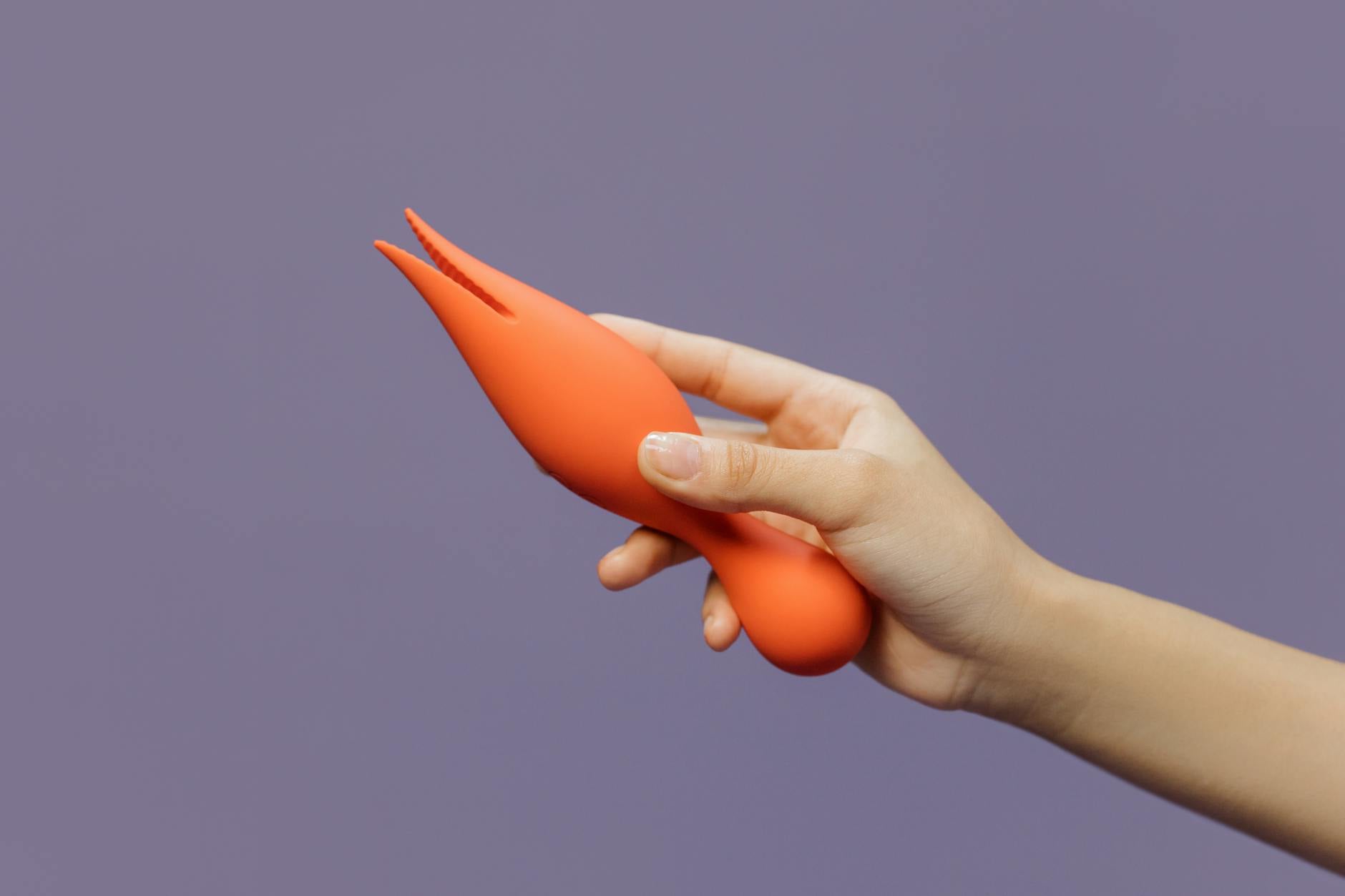
Lemon clitoral vibrators address this directly. They bypass the need for long, slow buildup that your depleted nervous system can't handle right now. The concentrated, rhythmic stimulation activates the pleasure pathways quickly without requiring you to manufacture desire from nothing. You're not faking it. You're using a tool that actually works with your current neurobiology instead of against it.
The solo permission piece
One thing I've noticed in my therapy practice: parents often can't access pleasure in partnered sex because they're still in caregiver mode. Even if your partner is kind and supportive, the context of shared time can feel like another obligation. Solo exploration with a lemon vibrator is different. There's no performance. No one needs anything from you. You're not managing someone else's experience.
This matters. Many parents tell me that rediscovering solo pleasure with a tool like the Lem is the bridge that lets them eventually access pleasure with a partner again. You're retraining your nervous system that pleasure is allowed, that your body is yours, that you deserve this.
How to actually start (realistic version)
First: timing is not a luxury, it's a requirement. That means you need actual alone time. Not sneaking around after kids are asleep when you're already wrecked. Set an actual boundary. Tell your partner: I need 30 minutes alone on Saturday morning. I'm not negotiating this. This is nonnegotiable.
Second: lower your expectations. You might not have an orgasm the first time. The goal is sensation and permission, not performance. Use the lemon vibrator on the lowest setting. Explore. Let yourself feel whatever comes without forcing it.
Third: write off the first five times. Your body is relearning that pleasure is possible. That takes practice. It's not broken. It's just retraining.
The partner conversation
If you have one, your partner needs to understand this is not about them. It's not that they're not attractive or that you don't love them. You're literally neurologically rewired by years of parenthood. Using a lemon clitoral vibrator solo is you doing the work to reconnect with your body so that eventually you have more capacity for partnered sex.
Many couples find that when the parent reconnects with solo pleasure, partnered sex improves because it's no longer a source of resentment. You're not trying to perform for someone else. You're remembering that pleasure exists and that your body can experience it.
When to seek more support
If you've been using lemon sexual toys consistently for two months and nothing is shifting, talk to a therapist who specializes in postpartum sexual health or couples work. Sometimes the disconnection runs deeper than neurobiology. Sometimes there's unresolved resentment about childcare, mental load, or how often your partner helps. Those are real and they matter.
If you're experiencing pain during arousal or orgasm, that's a medical conversation. Pelvic floor dysfunction is common after parenthood and very treatable.
And if you're realizing that you don't actually want sex with your partner anymore, that's also valid and also worth exploring with someone trained in that territory.
The reframe
Using lemon vibrators when you're reconnecting to pleasure after parenthood is not a workaround. It's not settling. It's a form of self-respect. You're saying: my body is mine. My pleasure matters. I deserve to feel alive in my own skin again.
Parenthood is a beautiful thing. It's also consuming. Reclaiming your pleasure is how you reclaim yourself. And sometimes the tool that makes that possible is as simple as a lemon clitoral vibrator and 30 minutes of uninterrupted time.
FAQ: Reconnecting to Pleasure After Parenthood
How long does it actually take to feel desire again after having kids?
There's no timeline. Some parents start feeling desire again within months of getting consistent alone time and sleep. Others take years. The key is not rushing it. Your nervous system will start to relax when it stops being in crisis mode. That looks different for everyone. What matters is creating the conditions: time alone, sleep when possible, and permission to explore without pressure.
Can lemon vibrators help if I've never had an orgasm?
Yes. Lemon clitoral vibrators are specifically designed to target the clitoris with consistent, focused stimulation. Many people who've struggled with orgasm find that the concentrated sensation of a suction vibrator like the Lem actually works where traditional vibration didn't. Start on the lowest setting and be patient with yourself.
What if using a vibrator makes me feel guilty or selfish?
That's cultural conditioning. Your pleasure is not selfish. Your pleasure is necessary. You cannot pour from an empty cup. Taking 30 minutes to reconnect with your body is an act of maintenance, like sleeping or eating. It makes you a better parent and partner because you're less depleted and resentful. Reframe it: this is self-care that actually works.
Should I tell my partner about using a lemon vibrator?
That depends on your relationship and what feels safe. If you have open communication about sex, it can be helpful context for why you might have more capacity for intimacy later. If your relationship is closed off or judgmental about sexuality, you might keep this private. Your body is yours. You don't owe anyone access to every detail of how you care for it.
What if my partner feels threatened by a vibrator?
Have the conversation: this is me reconnecting with my body so I can eventually be more present with you. This is not about you being replaced. It's about me reclaiming something that got lost. If your partner can't hear that, that's a relationship issue worth exploring with a therapist, not a sex toy issue.
How do I find time for this when I barely have time to shower?
Start small. It doesn't have to be 30 minutes. Even 10 minutes counts. Lock the bathroom door. Tell your partner you need 10 minutes and you're not available. This is the boundary. Build from there. As you start to feel more capacity for pleasure, you'll likely prioritize time differently because the payoff becomes clear.