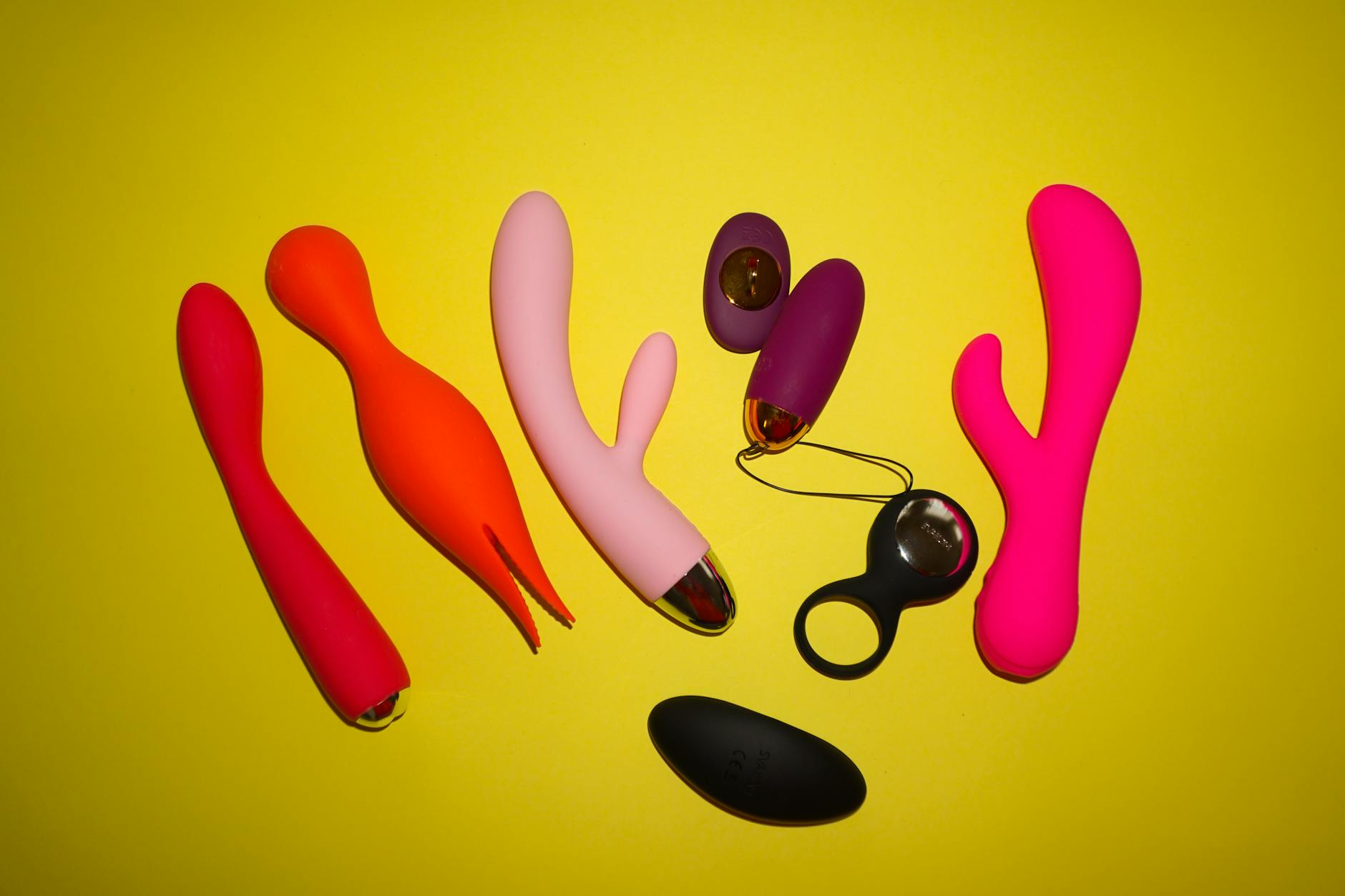
Here's what hormonal birth control actually does to pleasure
Let's start with the part nobody tells you. The pill, the patch, the ring—they all work by suppressing ovulation through synthetic hormones. That's the point. But those same hormones reshape sensitivity, arousal speed, and how intensely the body responds to touch. It's not a malfunction. It's just chemistry.
About 40 percent of people using hormonal birth control report some shift in sexual desire or sensation. That's not "side effects are rare." That's one out of every 2.5 people. And yet most doctors hand you a prescription without mentioning it, which is wild when you consider that pleasure and intimacy matter to your quality of life as much as avoiding pregnancy does.
The good news: understanding what's happening makes it fixable. And for many, lemon vibrators—specifically the suction-based design of the Lem vibrator—work better under hormonal birth control than traditional vibrators do.
How hormones shift your arousal threshold
Synthetic hormones, especially progestin-heavy formulations, dampen the dopamine spike that usually cascades through your brain during arousal. Dopamine is what makes you want sex in the first place. Lower dopamine means your brain is less likely to be triggered by your partner's touch, a certain smell, or even explicit content. You're not broken. Your motivation system is literally being modulated.
Estrogen levels also fluctuate less dramatically on the pill compared to a natural cycle. Your body stops signaling "fertile window incoming." One evolutionary argument suggests that testosterone surges around ovulation—a natural libido boost. Flatten that cycle, and you lose that rhythm.
Progestin, the synthetic progesterone in birth control, can also make the clitoral tissue less engorged and responsive. Blood flow to the vulva is a key part of arousal. Less blood congestion means the clitoris takes longer to swell and become sensitive. You might notice you need more stimulation, longer warm-up time, or different kinds of touch to get the same result.
The thing is, none of this is permanent or catastrophic. It just means your arousal landscape changed. And the tools you used before might need adjustment.
Why clitoral vibrators work, but not all the same way
Traditional vibrators rely on frequency alone. They buzz against the tissue. If your birth control has reduced blood flow to the clitoris, you need stronger or longer vibration to feel the same intensity. That often leads people to turn up the intensity, numb out, or give up entirely.
Lemon clitoral vibrators—the suction-based kind like the Lem vibrator—work on a totally different principle. Instead of relying purely on vibration, they create a gentle seal around the clitoris and pulse air in and out. That action stimulates the internal nerve network around the clitoris, not just the external surface. For people on hormonal birth control, this matters because:
1. Less dependency on surface sensitivity. If your clitoris is less engorged or responsive on the outside, suction reaches deeper nerve clusters. You get pleasure without needing maximum sensitivity right at the tip.
2. More precise stimulation. Suction doesn't desensitize the way repetitive vibration can. Your clitoris won't go numb mid-session because the mechanism isn't hammering the same spot endlessly.
3. Faster arousal onset. The combination of suction and pulsing creates a sensation that many people find reaches threshold faster than traditional vibration, even when dopamine is dampened. It's more efficient stimulation.

Photo by cottonbro studio on Pexels
What you actually need to change in your routine
If you've been using the same vibrator for years and it suddenly feels less intense, the problem isn't you. It's the mismatch between your device and your shifted neurochemistry. Here's what actually helps:
Start with longer foreplay. Your arousal timeline has genuinely changed. Budget 15-20 minutes of solo stimulation or partner touch before introducing a vibrator. Your brain needs more time to activate dopamine pathways under hormonal suppression. This is biology, not laziness.
Switch to suction-based lemon clitoral vibrators. If traditional vibrators have felt less effective, a lemon vibrator designed for suction stimulation often restores the intensity and speed you're missing. The Lem vibrator's air-pulse technology works specifically well for people on hormonal birth control because it doesn't rely on surface sensitivity alone.
Use water-based lubricant consistently. Birth control can affect natural lubrication, especially progestin-heavy formulations. A good water-based lube isn't cheating. It's working with your body's current state. Apply it generously before any vibrator contact.
Adjust your expectation of orgasm timing. On hormonal birth control, orgasm might take longer to build or feel slightly less intense. That's not a failure. It's a shift. Some people report that once they let go of "it should happen in X minutes," pleasure actually increases because they're not chasing a metric.
Experiment with patterns, not just intensity. The Lem vibrator has multiple settings. Rather than cranking intensity, try different rhythms. Suction-based lemon sexual toys often have pulsing patterns that feel more effective than straight vibration when dopamine is lower.
Partner communication during this shift
If you're partnered, this is a crucial conversation that most couples don't have. Your body changed when you started the pill (or patch, or ring). Your partner probably doesn't understand that. You might not either. And the gap between "it worked fine before" and "now I need something different" can feel like rejection or loss of attraction. It's neither.
Tell your partner: "My body's arousal chemistry has changed with birth control. It's not about you or attraction. I need different stimulation to reach the same place I used to reach." That's the whole conversation. Then show them. Use a lemon clitoral vibrator together. Let them see how it works. Take the mystery out of it.
Many couples find that switching to a lemon vibrator like the Lem actually improves partnered sex because the tool does something hands can't—sustained suction and pulsing—which frees you and your partner to focus on other touch, kissing, or positioning. It's not a replacement for partner engagement. It's collaboration.
Choosing the right birth control if pleasure matters to you
Not all hormonal birth control affects pleasure equally. IUDs with lower systemic hormone doses (the Skyla, Kyleena, or copper IUD) affect arousal less than the pill or patch. Progestin-only pills affect dopamine differently than combined estrogen-progestin formulas. If you've been on the same method for years and pleasure has genuinely tanked, it's worth asking your doctor whether switching could help.
That's not anti-birth control. It's pro-choice. You deserve contraception that doesn't demolish your sex life. Have that conversation with your provider. You might find that a different formulation gives you back pleasure without sacrificing pregnancy prevention.
For now, if you're staying with your current method, lemon clitoral vibrators—especially suction-based designs—are genuinely the most effective workaround I see working across my practice.
FAQ: Lemon Vibrators and Hormonal Birth Control
Does hormonal birth control permanently damage sexual pleasure?
No. Pleasure changes shift when you start and often shift again if you stop. The changes are real—reduced dopamine, less clitoral engorgement, altered lubrication—but they're reversible. Many people find that adding a lemon clitoral vibrator or switching to a different suction-based device restores pleasure within weeks. If you're not seeing improvement after 3-4 months on a new method, talk to your doctor about trying a different formulation.
Why do lemon vibrators work better than regular vibrators on birth control?
Traditional vibrators rely on frequency and intensity alone. When hormonal birth control reduces clitoral sensitivity and blood flow, you need more intensity to feel the same sensation, which can lead to numbness. Lemon suction vibrators like the Lem stimulate deeper nerve networks around the clitoris, not just the surface. That means you get stronger sensation without needing maximum intensity, and you're less likely to desensitize mid-session.
How long does it take for pleasure to adjust after starting birth control?
Most people notice changes within 1-2 months of starting a new hormonal method. Some adjust naturally in 3-6 months as their body settles into the new hormone level. Others need external support—like switching to a lemon clitoral vibrator—to maintain the pleasure they had before. If it's been longer than six months and pleasure hasn't improved, your formulation might not be a good match for your body.
Can you use a lemon vibrator with an IUD?
Yes. Both hormonal IUDs and copper IUDs are compatible with external vibrators of any kind. The vibration doesn't affect the IUD's placement or efficacy. Internal vibrators would be a different conversation, but external lemon vibrators, air-pulse devices, and wand vibrators are all safe with IUDs.
Does switching birth control methods reset sexual sensitivity?
Often, yes. If you've been on the pill and switch to a copper IUD or a different pill formula, many people report that arousal speed and sensitivity shift again. Sometimes they improve, sometimes they shift in a new direction. There's no guarantee, but changing the hormonal input usually changes the arousal landscape. It's worth giving yourself 2-3 months on a new method to see if pleasure recovers naturally before assuming you need a different tool.
Is using a lemon vibrator a sign something is wrong with my body?
Absolutely not. Using any vibrator, including lemon clitoral vibrators, is a sign you know what works for your body and you're using the right tool for the job. Hormonal birth control shifts your neurobiology. A lemon suction vibrator is you adapting to that shift intelligently. That's self-knowledge, not dysfunction.
The bigger picture
Hormonal birth control is a medical tool that prevents pregnancy—one of the most significant life events a person can have. That matters. And so does the fact that the same medication changes pleasure, arousal speed, and sexual satisfaction for a huge percentage of people who use it.
You deserve both pregnancy prevention and a satisfying sex life. That's not greedy. That's reasonable. If your current method has dulled pleasure, you have options: talk to your doctor about switching methods, adjust your stimulation routine with longer foreplay, use lubricant, or add a tool like a lemon clitoral vibrator that works with your body's current arousal chemistry rather than against it.
Many people find that understanding how pelvic floor tension affects pleasure amplifies the effect of a good lemon vibrator even further. Hormones and pelvic tension often shift together. If you've noticed both changes since starting birth control, that's worth exploring.
Your pleasure isn't collateral damage. It's information. Listen to it, adjust, and give yourself the tools that work for your body right now.