
The medication you need is muting the pleasure you want
Let's be real. You're taking your antidepressant, blood pressure med, or antihistamine because your body needs it. But somewhere in the last few months, you noticed something's off. Orgasms feel distant. Touch doesn't land the same way. Your clitoris has gone quiet.
This isn't a coincidence. It's not psychological. It's pharmacology. Dozens of common medications can blunt clitoral sensation by interfering with blood flow, nerve signaling, or the chemical messengers that fire up arousal. The good news: this is fixable without ditching your prescriptions. Lemon clitoral vibrators are built for exactly this problem.
How medications kill clitoral sensation
Your clitoris works through three main pathways: blood flow, nerve signals, and neurotransmitter activity. Most medications that dull sensation work on one of these.
Antidepressants, especially SSRIs like sertraline and fluoxetine, raise serotonin but often tank dopamine. Dopamine is what makes your body want things. Without it, the clitoris isn't getting the chemical green light to engorge and respond. Blood flow stalls. Sensation flatlines.
Beta-blockers for blood pressure do exactly what they're supposed to: restrict blood vessel dilation. The problem is your clitoris needs vasodilation to swell and become hypersensitive. Constricted vessels mean less blood, less swelling, less feeling.
Antihistamines dry you out literally and figuratively. They block histamine, which is involved in arousal and orgasm. Allergy meds, decongestants, and some cold medicines can take the edge off sensation and make everything feel numb and distant.
Even the birth control pill can contribute. Synthetic hormones affect blood viscosity and vessel function, sometimes subtly reducing genital blood flow. Combined with other medications, the effect compounds.
Why lemon vibrators work when sensation goes flat
Here's the mechanism: a lemon clitoral vibrator using suction and pulse patterns is doing something your body can't do on its own when medications are in the way. It's creating forced, rhythmic stimulation that bypasses some of the blocked pathways.
Instead of waiting for blood flow to happen naturally, the suction mechanism of the Lem creates a pressure differential that literally draws blood into the tissue. That engorgement is what restores sensation. The pulsing then keeps that blood there, amplifying nerve signal.
Think of it like this: if medication is a dimmer switch on sensation, the lemon sucker is a spotlight. It's not fighting the medication. It's working around it.
Unlike traditional vibrators that rely on friction and surface stimulation, lemon clitoral vibrators use a completely different neural pathway. The suction activates deeper nerve clusters that often respond even when topical sensation is muted. Many people who feel nothing with regular vibrators report dramatic results within two or three sessions with a lemon vibrator.
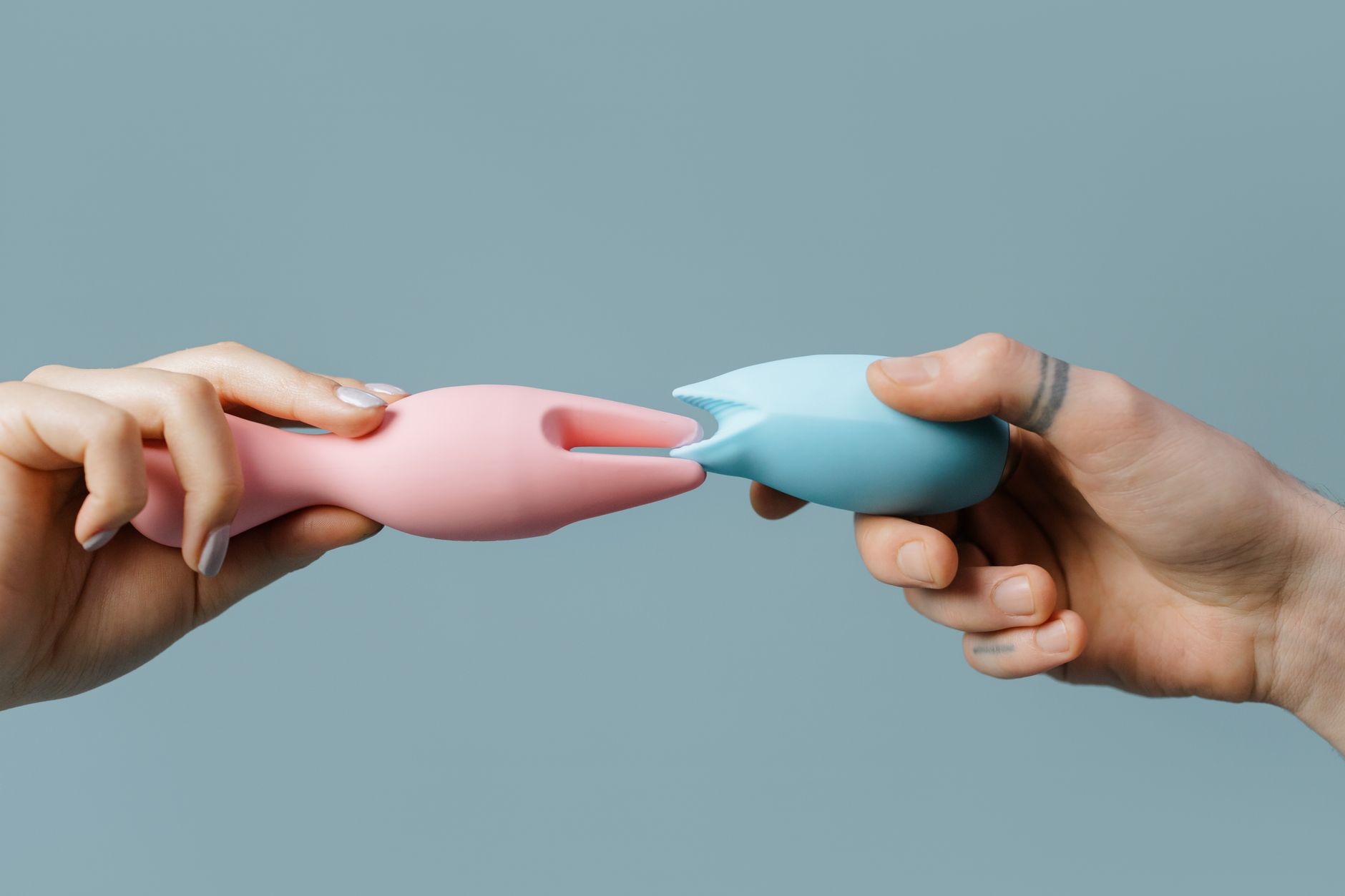
Photo by cottonbro studio on Pexels
Which medications are the biggest culprits
Some drugs affect clitoral sensation more than others. These are the heaviest hitters:
Antidepressants: SSRIs (sertraline, paroxetine, fluoxetine, escitalopram) are the most common pleasure-dampeners. SNRIs (venlafaxine, duloxetine) can also blunt sensation, though some people tolerate them better. Tricyclics are notorious for sexual side effects across the board.
Blood pressure medications: Beta-blockers (metoprolol, propranolol, atenolol) and some calcium channel blockers directly reduce genital blood flow. ACE inhibitors are gentler. Diuretics can contribute by affecting overall circulation.
Antihistamines: Both prescription (hydroxyzine) and over-the-counter allergy meds (cetirizine, loratadine) blunt sensation. Decongestants with pseudoephedrine are particularly harsh.
Hormonal birth control: Some formulations with higher progestin loads or older formulations cause more sexual side effects. Newer, lower-dose options might be gentler if you're sensitive.
Others: Opioid pain medications, some diabetes drugs, certain thyroid replacements, and even some antibiotics can contribute. If you're on multiple medications, the effects often stack.
What you should do before trying anything new
Don't stop taking your medication. Seriously. Your mental health, your blood pressure, your allergies matter as much as your sex life. The right move is to talk to whoever prescribed it.
Your prescriber might not bring this up because they assume you won't mention it. But they should know. Sometimes a simple dose adjustment helps. Sometimes switching to a different class of medication in the same category solves it without sacrificing efficacy. Sometimes adding a medication that counteracts the sexual side effect (like bupropion alongside an SSRI) is the move.
If your doctor dismisses the problem, find a different one. Sexual health is health. Period.
While you're sorting out the medication piece, lemon clitoral vibrators can be part of the solution. They're not a workaround to avoid the conversation. They're a tool to restore pleasure while you and your doctor figure out the medication equation.
How to use a lemon vibrator when sensitivity is compromised
Start patient. When sensation is already dampened, pushing harder doesn't help.
Begin at the lowest suction setting. This might feel like almost nothing at first. That's fine. Your job is to let the mechanism do the work for two to three minutes at low intensity. You're training your clitoris to respond again, not forcing an immediate reaction.
Move up one setting only if you feel nothing after five minutes. Most people find that settings two or three become effective after a few sessions as the tissue starts responding to the stimulus.
Longer warm-up time matters more than you'd think. When medications dull sensation, foreplay that might normally take five minutes should take fifteen. Your clitoris needs time to wake up. Give it that.
Consistency beats intensity. Using your lemon vibrator three times a week is more effective than once a week, even at low settings. The repetition retrains your nervous system to recognize and respond to stimulation. You're essentially recalibrating your pleasure dial.
Lubricant helps. Water-based lube reduces friction that your already-sensitive tissue might find uncomfortable, and it helps the lemon vibrator glide smoothly. It's not a hack. It's smart setup.
Timing, medication interaction, and patience
Many medications take weeks to reach steady state. If you just started a new script, give it at least four weeks before assuming it's killing your sensation. Some people's bodies adapt over time.
If you're timing medication and intimacy, here's what research suggests: taking some antidepressants a few hours after sex instead of before can help. This is a conversation for your doctor and pharmacist, not something to do on your own. But it's worth asking about.
Expect the restoration process to take time. If medication has been dampening sensation for months, your clitoris isn't going to spring back to baseline in one session with a lemon vibrator. Two weeks of regular use at the right settings, though, often shows meaningful improvement.
You might also find that your sensitivity improves on days when you skip a dose (if applicable) or when a particular medication is lower in your bloodstream. Tracking which days feel better can help you and your doctor identify the specific culprit if you're on multiple medications.
The sexual health conversation your doctor should be having
One of the most frustrating gaps in modern medicine is how rarely doctors discuss sexual side effects before prescribing. If you're starting a new medication, ask about sexual side effects. Ask about alternatives if this matters to you. Ask if dose adjustments help.
Your satisfaction with your medication should include your sex life. If it doesn't, that's a solvable problem. Sometimes it's a simple switch. Sometimes it's a combination approach. Sometimes it's adding a tool like a lemon clitoral vibrator while medication adjustments are being sorted.
The point: you don't have to choose between your health and your pleasure. You get both. It just takes conversation and the right strategy.
Frequently Asked Questions
Which antidepressants cause the least sexual side effects?
Bupropion is known for being the gentlest on sexual function because it works on dopamine rather than serotonin. Some SSRIs are gentler than others. Escitalopram and sertraline tend to have fewer sexual side effects than paroxetine. But "least" is still individual. What matters is finding what works for your brain and your body. If sexual side effects are a concern, mention it when your doctor is choosing your medication.
Can a lemon vibrator restore sensation permanently, even if I stay on the medication?
No. The lemon vibrator is a tool that works while you're using it. It doesn't change how the medication affects your baseline sensation. But consistent use can train your nervous system to respond more readily to stimulation, and that training can have staying power. Some people find that even after they stop using the vibrator, their sensation remains better than before they started. Your nervous system is plastic. It adapts.
How long does it take to feel sensation return when using a lemon clitoral vibrator?
Most people notice some response within the first two or three uses. Meaningful improvement usually takes two to four weeks of regular use. If you're not feeling anything after four weeks at appropriate settings, there might be a different cause at play. That's worth discussing with your doctor.
Is it safe to use a lemon vibrator if I'm on blood pressure medication?
Yes. In fact, lemon vibrators can be particularly helpful if blood pressure meds are your culprit because the suction mechanism creates localized blood flow independent of systemic circulation. Just make sure you're using it safely. Stop if you feel faint or dizzy. If you have active cardiovascular concerns, check with your cardiologist, but routine blood pressure management shouldn't prevent you from using a lemon vibrator.
Should I tell my doctor I'm using a sex toy to manage medication side effects?
Yes, eventually. You don't need a play-by-play, but mentioning that medication-related numbness is affecting you and you're exploring tools to restore sensation gives your doctor useful information. It signals that sexual health matters to you and that you're taking an active role in managing side effects. Good doctors want to know this stuff.
If I switch medications, do I need to keep using the lemon vibrator?
Probably not at the same intensity or frequency. If your new medication has fewer sexual side effects, your baseline sensation will return naturally. You might still enjoy using it, but the medical necessity diminishes. Some people find that once they've experienced what a lemon vibrator can do, they keep using it anyway because it just feels better. That's a choice, not a requirement.
The bottom line
Medication side effects on clitoral sensation are real, they're common, and they're not something you should accept in silence. Your first move is a conversation with your prescriber. Your second move is finding a tool that works around the problem while you and your doctor figure out the medication equation.
Lemon clitoral vibrators, with their suction-based design, are built for exactly this scenario. They work when traditional vibrators don't. They create sensation through a different neural pathway. And they give you agency in the meantime.
Your health and your pleasure aren't in conflict. They just need the right approach to coexist. That might mean a medication adjustment, a different drug, a tool like a lemon vibrator, or some combination. Whatever it is, it's worth pursuing.
If you want to explore how a lemon clitoral vibrator might help restore your sensation, reach out to us. We can talk through which settings and approaches work best for medication-related numbness.