Let's name what's happening
Somewhere between a year and a lifetime ago, sex stopped happening. Maybe there was a reason. Maybe it just drifted. Either way, you're thinking about coming back to your body, and that thought probably comes with some noise: guilt, self-consciousness, worry that things won't work like they used to, or that your body has somehow "forgotten" what to do.
Here's the thing. Your body hasn't forgotten. But your nervous system is cautious. Restarting pleasure after a long break is less about mechanics and more about permission and patience. And a lemon clitoral vibrator can be exactly the tool that gets you there.
The science of pleasure after a gap
When you stop having sex for an extended period, a few things shift. Your pelvic floor muscles may feel tighter or less coordinated. Your mind might have built up stories about what it "should" feel like, and mismatch anxiety shows up as numbness or disconnection. Blood flow to your genitals takes a few minutes longer to activate. None of this is permanent. All of it is completely normal.
What's also true: your nervous system is going to be cautious about arousal at first. Pleasure requires a sense of safety, and if sex has been absent for long enough, your body doesn't instantly trust that it's safe to open up. This is where lemon vibrators become useful, not as a shortcut, but as a very patient teacher. Consistent, predictable stimulation helps your nervous system relax and remember what pleasure feels like.
Why a lemon vibrator works so well for restarting
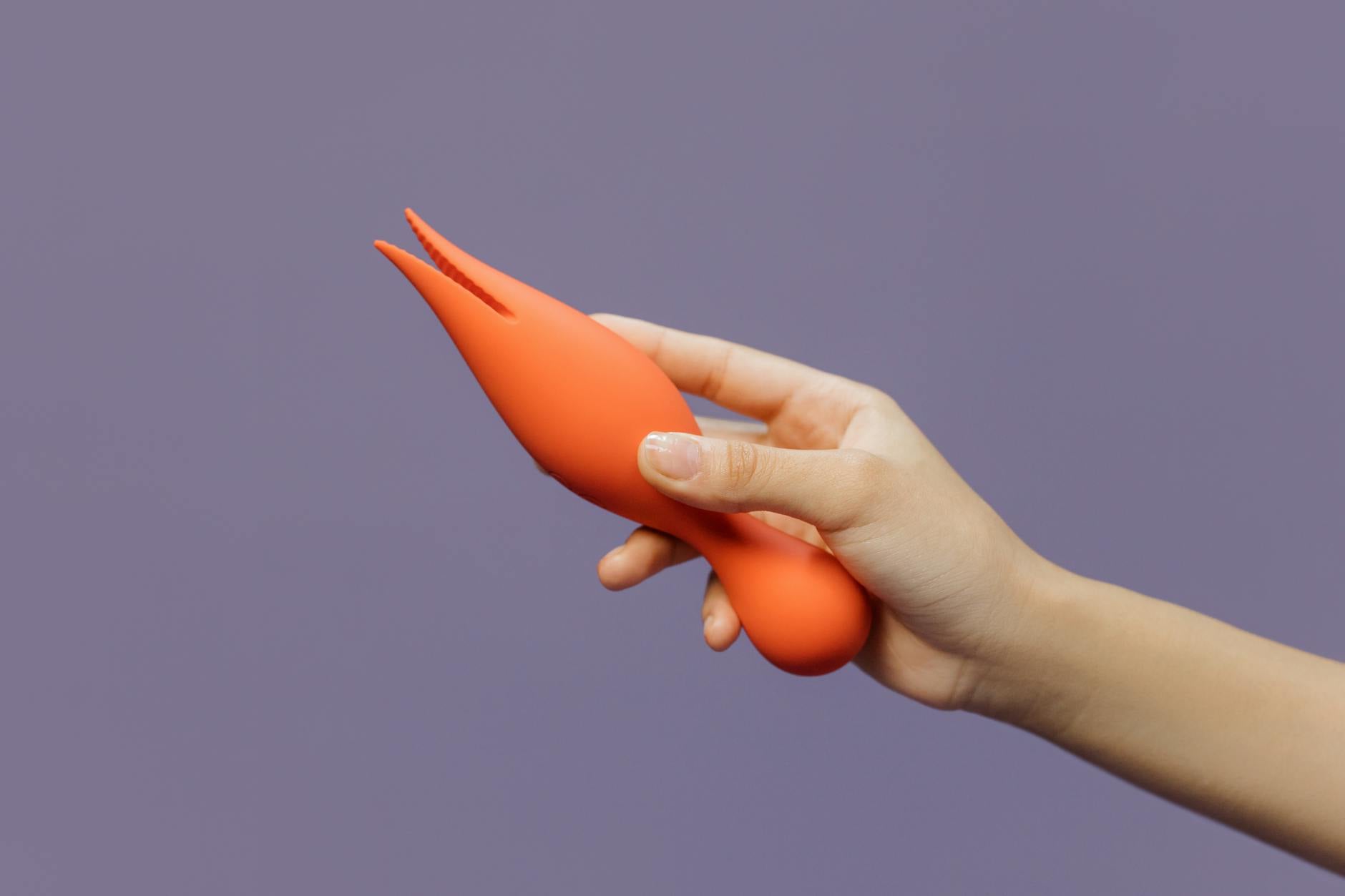
Let's say you haven't had sex in three years. You're not going to feel wildly aroused on day one. You might not feel aroused at all, and that's fine. What you need first is a tool that does one thing really well. A lemon clitoral vibrator like the one from Nancy Lemon Shop does exactly that. It delivers consistent stimulation without requiring you to perform or achieve anything.
Unlike partnered sex, which involves coordination and response cues, a lemon vibrator lets you explore on your own timeline. There's no one waiting for you to finish. There's no pressure to "seem into it." You can stop whenever. You can start again when you're ready.
The suction mechanism is particularly helpful here. It works by stimulating the nerve endings around your clitoris without direct friction, which means it feels gentler and more approachable if your body has been dormant. You can start at pattern one and stay there for five minutes, or ten. Your nervous system gets to lead.
Setting yourself up for success
Three things matter before you even pick up a toy.
1. Pick a time when you're not tired or rushed. Your nervous system relaxes more easily when you're not watching the clock. If you have a partner, make sure they're out of the house or genuinely occupied. You need zero fear of interruption. This is non-negotiable.
2. Do something that feels good first. A hot shower, fresh sheets, dim lighting, music you actually like. This isn't fluff. You're signaling to your body that this is a safe, intentional activity, not something you're checking off a to-do list. The ritual matters as much as the tool.
3. Manage expectations ruthlessly. You might not orgasm. You might feel distant from your body the first time, or the second, or the fifth. That's not failure. That's your nervous system gradually learning that pleasure is available again. Pleasure isn't the goal yet. Reconnection is.
How to actually use a lemon vibrator after a break
Here's what I recommend to clients rebuilding their pleasure practice:
Start with exploration, not performance. Spend your first few sessions just getting curious about sensation. Turn on pattern one. Hold it near your clitoris (not directly on it). Notice what feels good. Move it slightly. Hold it in one spot. Does it feel better on the left side of your clit, the right side, or direct? There's no right answer. You're collecting information about your own body.
Give yourself at least five sessions before you expect much. Your nervous system needs repetition to relax. The first time might feel weird or nothing. The second might feel slightly better. By the fifth, you might notice a glimmer of actual sensation. That's the progression. Don't judge it.
If numbness shows up, that's your body protecting itself. You spent months or years not accessing pleasure. Numbness isn't a problem. It's evidence that your nervous system is still figuring out whether this is safe. Keep using the vibrator, keep staying curious, and numbness usually softens after a few weeks of consistent practice.
Use lubrication even if you don't think you need it. If you've been away from sex for a long time, your genitals may not self-lubricate immediately. Water-based lube signals to your body that arousal is welcome and makes the sensation feel richer. Apply before you start.
If you have a partner
This deserves its own moment. If you're in a relationship and you're thinking about restarting sex, your partner might have their own anxiety. They might feel rejected, or worried that they're not enough, or anxious about what they "should" be doing differently. None of that is your responsibility to fix. But naming it helps.
One conversation that lands really well: "I want to start exploring my pleasure again, and I'm doing this partly for me and partly for us. I'm going to use some time alone to rebuild my comfort with my own body first. Then we can figure out what we want together." This frames solo practice as a gift to the partnership, not a rejection of it.
Once you've reconnected to your own pleasure, your partner can absolutely be in the room. Some couples enjoy using lemon vibrators together. Others find that solo practice stays solo. Neither is wrong. The point is that you get to choose.
Timeline expectations
Realistically, if you've been away from sex for six months, plan for three to four weeks of solo exploration before you have any idea what your new baseline is. If it's been two years, give yourself two to three months. Your body isn't broken. But it does need time to remember that pleasure is safe.
Some people restart faster than they expect. Some take longer. Both are normal. The people I see move fastest are the ones who stop expecting themselves to be the same person who had sex two years ago. You're different now. Your body is different. Your desires might be different. That's not a problem. That's just information.
When to reach out for support
If pain shows up during or after using a lemon vibrator, don't push through. Pain is information. A pelvic floor physical therapist can assess whether you're holding tension, or whether something else is going on. If you feel completely numb after five weeks of consistent practice, talking to a therapist can help you understand what your nervous system is protecting you from. There's no shame in that.
What comes after
Once you've reconnected to solo pleasure, the next conversation is what you want. Sex with a partner? Continued solo exploration? Both? There's no timeline on this. You've just spent months learning to trust your body again. Now you get to choose what you actually want it to do.
The lemon vibrators from Nancy Lemon Shop exist for exactly this reason. They're not complicated. They don't require you to perform. They just wait for you to be ready, and then they help.
People also ask
How long does it take to feel pleasure again after not having sex?
It depends on how long you've been away, and what your nervous system needs. Most people start noticing sensation shifts within two to four weeks of consistent solo exploration. Some notice it much faster. Some take longer. The important thing is to focus on reconnection, not on reaching a specific pleasure destination. Your body will respond when it feels safe.
Is it normal to feel numb when I start using a lemon clitoral vibrator after years away from sex?
Completely normal. Your nervous system has essentially gone into standby mode. It takes time for the nerves to "wake up" and for your brain to remember what arousal feels like. Numbness usually softens within three to six weeks of consistent practice. If it doesn't, that's worth talking through with a pelvic floor specialist or therapist.
Can I use a lemon vibrator with a partner if I'm restarting after a long break?
Absolutely, but I usually recommend solo practice first. Rebuilding your relationship with your own pleasure is easier without anyone else in the room. Once you know what feels good and your nervous system has relaxed, adding a partner (if you want to) becomes much easier. You'll know your own body again.
What if my partner is insecure about me using a vibrator to restart?
This is real and worth addressing directly. You might say something like: "This is me taking care of my own pleasure. It's not about you or our relationship. It's about me rebuilding trust with my own body." If your partner continues to feel threatened, that's something to work through together. A sex-positive therapist or couples counselor who specializes in intimacy can help. But your need to reconnect to your pleasure comes first.
Do I need lubrication if I'm using a lemon vibrator after a break?
Yes. Even if you expect natural lubrication, using water-based lube makes the sensation feel better and signals to your body that arousal is welcome. Don't skip this step, especially early on.
How do I know if I'm using a lemon vibrator correctly after not having sex for a long time?
There's no "correct" way. You're exploring. Experiment with different patterns, different pressures, different positions. If something feels good, do that. If nothing feels good yet, that's fine. You're building the practice, not chasing an outcome. Consistency matters more than performance.
Sources
Goleman, D. (1995). Emotional Intelligence: Why It Can Matter More Than IQ. Bantam Books.
Gottman, J. M., & Silver, N. (2015). The Seven Principles for Making Marriage Work: A Practical Guide from the Country's Foremost Relationship Expert. Harmony.
van der Kolk, B. (2014). The Body Keeps the Score: Brain, Mind, and Body in the Healing of Trauma. Viking.