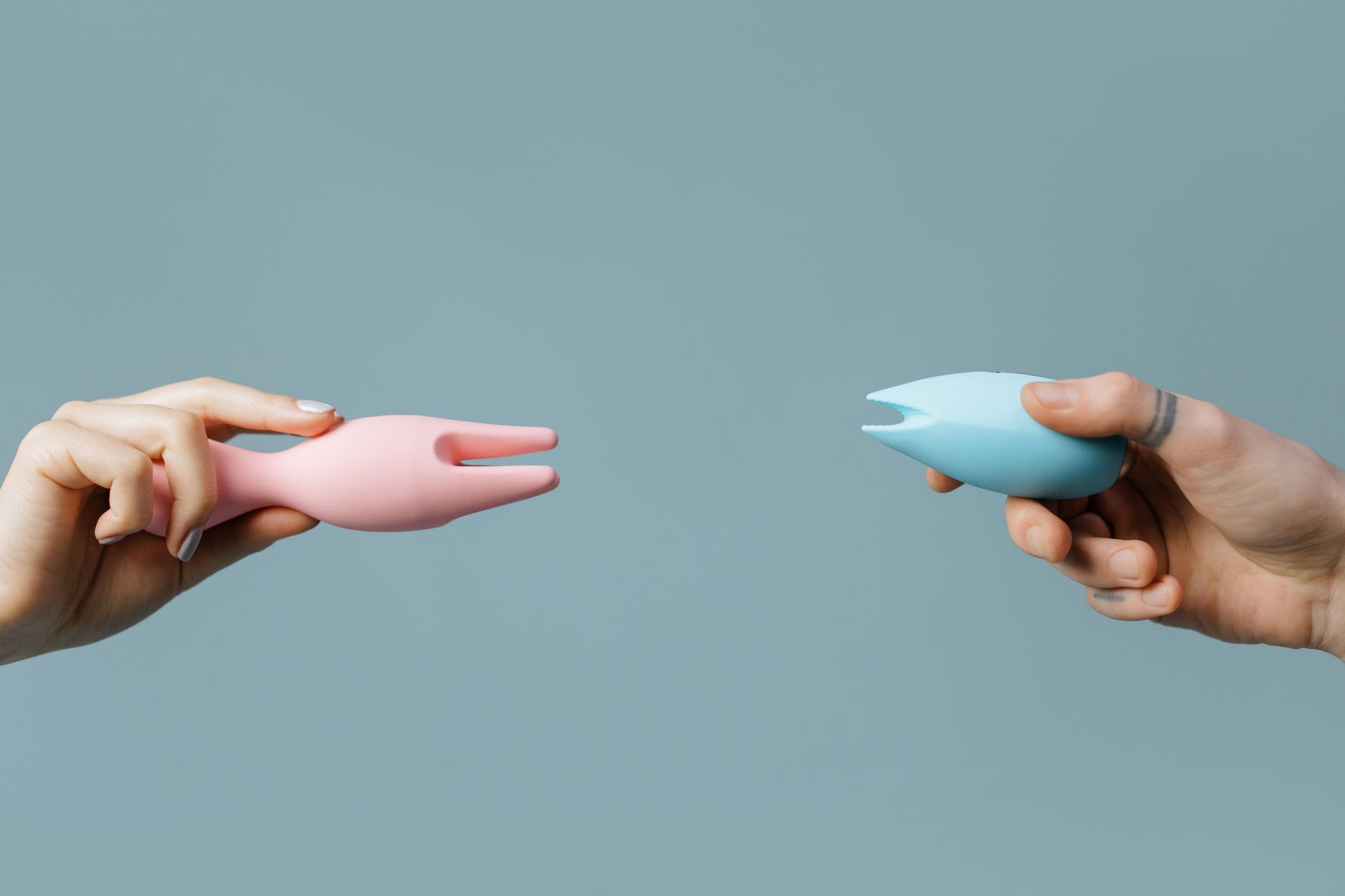
Here's what nobody tells you about aging and sensation
Let's be real. After 50, 60, or beyond, clitoral sensation can feel like it's dimmed on a rheostat someone else controls. Touch that used to spark feels like a dull echo. You're not broken. Your nerve pathways didn't die. What changed is the signaling speed and the threshold for activation.
This is a neurological fact, not a personal failing. And it's wildly reversible.
The clitoris has 8,000 nerve endings, and aging affects how quickly they fire, not whether they can. That's the distinction that changes everything about how you approach pleasure after a certain age.
Why aging dulls clitoral sensation
Three biological shifts happen as we age:
First, skin thins. The epidermis becomes less dense, which means surface-level touch registers with less intensity. A light touch that once sparked something now feels like static.
Second, blood flow decreases. The clitoral glans depends on vasocongestion to swell and become more sensitive. When circulation slows, that reactive swelling takes longer and doesn't reach the same volume. Less volume means less stimulation of those 8,000 nerve endings.
Third, nerve conduction velocity declines. Your nerves still transmit sensation, but the speed of that transmission drops by about 10-15% per decade after 40. You're not numb. You're just operating on a slower network.
Combine these three, and what you get is numbness that's actually delayed responsiveness. Your body still knows pleasure. It just needs a louder signal to start the conversation.
Why air-suction lemon vibrators work better than traditional vibration
Here's the tactical part. A conventional vibrator relies on friction and frequency. It bounces against tissue at 5,000 to 10,000 cycles per minute, hoping to trigger those slower nerves.
Air-suction technology like the Lem works differently. Instead of vibration, it creates a seal and pulls on tissue rhythmically. This suction stimulates a broader cluster of nerve endings at once and does it with more pressure than a vibrator can safely deliver without causing discomfort.
For aging clitori with reduced surface sensitivity, this is the tactical advantage. Air-suction doesn't rely on speed or finesse. It relies on pressure and surface area. You get a stronger signal to slower nerves.
Research on air-pulse stimulation shows activation in a different neural pathway than vibration alone. It's not better. It's different in exactly the way aging clitori respond to. Many of my clients report their first real orgasm in years using this approach.
The adjustment protocol that actually works
Don't start at maximum intensity. Start low and spend time letting your body remember what stimulation feels like.
Week one, use the Lem on patterns 1 and 2 (the gentlest suction levels) for 10-15 minutes every other day. You're not chasing an orgasm. You're reawakening nerve pathways. Think of it like physical therapy. Repetition and consistency matter more than intensity.
During this phase, lubrication is essential. A small amount of water-based lube reduces friction and lets the seal work more effectively. Apply it around the clitoral area, not inside the device.
Week two, if numbness is still present, add 5 minutes of gentle hand stimulation first. Use your fingertip to make small circles around the hood of the clitoris (not directly on it). This primes the nerves before you bring in the Lem.
Week three, stay with patterns 1-2, but extend sessions to 15-20 minutes. You're building what's called sensory acuity. The longer you stimulate, the more your nervous system learns to register subtle intensities.
Week four, if sensation is returning (and for most people it is), move to pattern 3. Keep everything else the same. The temptation is to jump to maximum intensity. Don't. Slow progression builds sustainable sensation.
Patience and the partner conversation
If you're partnered, the numbness conversation often gets tangled with performance anxiety or relationship frustration. They're separate problems masquerading as one.
Having a lemon clitoral vibrator in your routine is not a reflection on your partner's skill or effort. It's a reflection of aging biology. But partners don't always hear that distinction without explicit framing.
The conversation I recommend: "I've noticed my body responds differently now. I want to explore what works for me right now. This isn't about you. It's about me understanding my own sensation again. I'd like to try this solo first, and then we can talk about how to bring it into what we do together."
This signals autonomy and honesty without blame. Many partners find that watching their partner use a well-designed toy like the Lem is actually more interesting than they expected. The goal is a partner who understands the difference between "you don't turn me on" and "my nervous system needs a different kind of signal."
When to see a doctor
If numbness came on suddenly (over weeks rather than years), get it checked. Sudden loss of sensation can signal nerve compression, medication side effects, or metabolic changes that deserve medical attention.
If sensation hasn't improved after 4-6 weeks of consistent use of a clitoral vibrator, a gynecologist or sex medicine specialist is worth a conversation. Persistent numbness can sometimes indicate vitamin deficiencies, thyroid issues, or nerve damage that benefits from treatment outside the toy sphere.
Hormone therapy is also worth discussing. Topical estrogen can slightly improve blood flow and nerve sensitivity in aging vulvae. It's not a cure for numbness, but it works synergistically with sensation-focused practice.
The part nobody expects: sensation gets better
Here's the thing my clients consistently report. After weeks of gentle, consistent practice with air-suction lemon vibrators, sensation doesn't just return to baseline. It changes quality.
Orgasms often feel differently. Less like a sharp peak and more like a sustained wave. The build is slower but deeper. Numbness gave way to something more nuanced.
This isn't mystical. Your brain has simply relearned the map of your own pleasure after years of not paying attention. That relearning often reveals texture and complexity that younger-body sex didn't register because it was too fast, too goal-focused.
Your best orgasms probably aren't behind you. They're in a different register entirely, and they're waiting for you to slow down enough to find them.
FAQ: Lemon vibrators and aging sensation
Can clitoral numbness from aging be fully reversed?
Yes, in most cases. Numbness from aging is caused by reduced nerve signaling speed and blood flow, both of which are responsive to stimulation and lifestyle changes. Consistent use of air-suction clitoral vibrators, pelvic floor exercises, and improved cardiovascular health restore sensation over 4-12 weeks. Complete reversal to pre-aging levels varies by person, but meaningful improvement is the standard outcome.
How long does it take to feel sensation returning with a lemon vibrator?
Most people notice subtle shifts within 7-10 days of consistent use. A real perceptible difference typically appears around week two or three. Full restoration of sensation and orgasm quality takes 4-8 weeks. Patience is the bottleneck, not the vibrator.
Should I use a lemon clitoral vibrator alone or with a partner first?
Start alone. You need to understand your own body's signals without the variable of someone else's attention or performance. Once you've reacquainted yourself with sensation, integrating it into partnered sex is a separate conversation. Solo exploration builds confidence and removes the pressure to perform or come on a timeline.
Are there positions that help lemon vibrators work better for aging clitori?
Yes. Reclined or lying back with legs slightly open works best. This position relaxes the pelvic floor, improves blood flow to the area, and takes pressure off the clitoris. Sitting upright can restrict circulation. Side-lying also works well. Avoid standing positions for anything longer than a few minutes when dealing with reduced sensation.
Can medications worsen clitoral numbness, and will a lemon vibrator still help?
Some medications, particularly antihistamines, certain blood pressure drugs, and some antidepressants, can contribute to reduced sensation. A vibrator will still help, but improvement might be slower. Discuss medication side effects with your doctor. Sometimes a dose adjustment or switching to an alternative drug improves sensation without abandoning the medication you need. The vibrator + medication conversation is worth having with your prescriber.
Is numbness after aging different from numbness caused by surgery or trauma?
Yes. Age-related numbness is gradual, systemic, and responsive to stimulation and blood flow work. Numbness from surgery or trauma is often localized to the affected area and may involve nerve damage rather than simple signal delay. A lemon vibrator helps with both, but post-surgical or post-trauma numbness benefits from working with a pelvic floor physical therapist alongside vibrator use. Recovery timelines are different, and professional guidance matters more.
The bottom line
Clitoral numbness from aging is not a life sentence. It's a signal that your nervous system needs a louder, more consistent stimulus than friction alone can provide. Air-suction lemon vibrators are designed exactly for this. They amplify signal and restore responsiveness without force or pain.
The time commitment is small. The payoff is learning your own body again, often in ways that surprise you. Start gentle, stay consistent, and trust that sensation returns when you give your nervous system the right kind of attention.
If you're ready to explore, the Lem is designed for exactly this work. If you have questions about your specific situation, we're here to help at Nancy Lemon Shop.