Here's the thing nobody tells you about antidepressants and sex
Antidepressants work by making your brain hold onto serotonin longer. That steadies your mood, quiets the spiraling thoughts, and pulls you back from the edge. It's life-saving medicine. And it often comes with a side effect that nobody preps you for: the flattening of sexual desire and sensation. Not always. But often enough that it's worth naming.
Then one day your doctor mentions adjusting your dose, switching medications, or you decide you're stable enough to try without it. And suddenly. Something shifts. The fog lifts. Your body wakes up.
It's not always relief. Sometimes it's confusing. Sometimes it's overwhelming. And if you've been without desire for months or years, you might not even recognize what you're feeling.
I work with couples navigating this exact transition all the time. The person who's been numb suddenly wants touch. The partner who's been patient for years sometimes doesn't know how to match that energy. Both people are grieving the loss of stable medication and celebrating getting their partner back. Both things are true at once.
Lemon clitoral vibrators, and the broader category of lemon adult toys, become useful not because they're a cure, but because they give your nervous system a clear signal. They work particularly well during this transition because air-suction technology (like the Lem vibrator) doesn't require the same level of sustained manual effort that can feel overwhelming when you're learning your body all over again.
What actually happens to desire when you're on antidepressants
The mechanism isn't mysterious. SSRIs increase serotonin, which suppresses dopamine in some pathways. Dopamine drives novelty-seeking and the wanting phase of arousal. Lower dopamine means lower motivation to initiate sex, lower ability to feel anticipation, and sometimes difficulty reaching climax even if you manage arousal.
It's not that you stop being capable of pleasure. It's that the signal to seek it gets quieter.
When you adjust your medication, that signal starts coming back. Sometimes it's gradual. Sometimes it hits fast. And your body might need retraining because sensation pathways, like any neural pathways, atrophy without use.
Why lemon sexual toys work better during this window
There are a few reasons lemon vibrators and other lemon sexual toys show up in my recommendations during medication transitions.
First. Air-suction devices like the Lem vibrator don't depend on your body doing anything. You don't have to thrust, angle, or maintain pressure. You hold it there and the device does the work. That matters when you're exhausted from rebuilding desire from scratch.
Second. The sensation pattern is novel enough to bypass the numbness pathways that lingered from medication. If you've spent two years not feeling much clitoral sensation, you need something that's clearly distinguishable. A suction vibrator creates a completely different sensation signature than fingers or standard vibration. Your nervous system sits up and pays attention.
Third. You can control the intensity with precision. Lemon clitoral vibrators typically have 5-7 intensity levels. You start at level 1 and build. That methodical increase helps your brain and body recalibrate without overwhelming yourself.
The practical playbook for reintroducing sensation
When desire is newly returning and sensation feels distant, your nervous system needs structure. Here's what I recommend.
Week one: Solo, no pressure. Take 15-20 minutes alone with the Lem vibrator set to the lowest intensity. Don't chase orgasm. The goal is mapping sensation. Notice where it feels good. Notice where it feels numb. Notice what happens when you breathe. If your mind wanders, that's fine. Wandering minds are normal during the first few sessions. You're essentially remapping pleasure pathways after medication flattened them.
Week two: Add breath and movement. Same time, same tool, same setting. Now add deliberate slow breathing (in for 4, out for 6) while you're using the vibrator. Breath activates the parasympathetic nervous system, which is where arousal actually lives. Your sympathetic nervous system (fight-or-flight) can suppress desire even when medications aren't doing it.
Week three: Build intensity gradually. Move to levels 2 and 3. Spend 10 minutes at each level. Notice the difference. Your clitoris has a ton of nerve endings but they've been dormant. Gradual intensity buildup prevents overstimulation and teaches your body that sensation is safe and gradual, not shocking.
Week four and beyond: Introduce a partner if you want to. Once you're comfortable with sensation alone, sharing it with a partner (if you have one) becomes less scary. But here's the key: communicate exactly what you've learned about yourself. "I feel sensation most at level 3," or "My clitoris is still numb in this one spot." That specificity helps both of you adjust expectations.
If you don't have a partner, that's fine too. Solo use of lemon sexual toys is complete unto itself.
The emotional part nobody mentions
Returning desire after depression treatment isn't always joyful. Sometimes it comes with grief. You're mourning the loss of medication stability while also celebrating getting your body back. You might feel resentful that your partner waited so long, or guilty that you've left them waiting. You might feel broken because your desire doesn't look like it did before medication.
All of that is normal. And it doesn't mean you should force sexuality before you're ready.
The lemon sucker devices (like air-suction vibrators) I recommend aren't a way to rush yourself back to normal. They're a tool for meeting your body where it actually is now. Not where it was before depression. Not where you think it should be. Where it is.
If you're working with a therapist, this transition is worth mentioning. If you're partnered and your partner doesn't understand the shift, couples counseling can help you both name what's happening without one person feeling abandoned and the other feeling pursued.

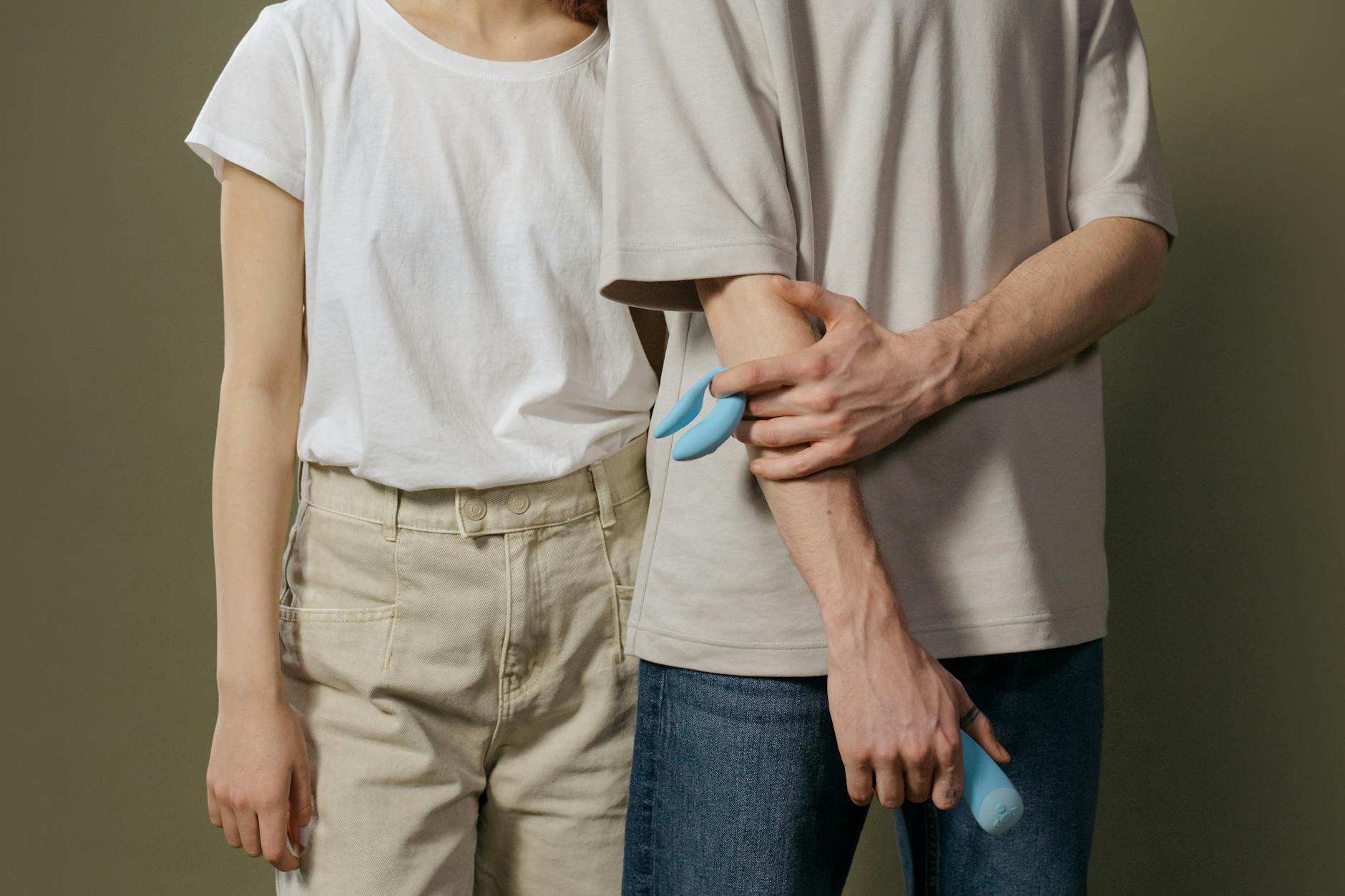
Photo by cottonbro studio on Pexels
How to talk about this with your prescriber
Your doctor should know if medication adjustments are triggering sexual side effects or if the return of desire is creating relationship tension. They might:
Adjust timing (taking the medication at night instead of morning sometimes helps). Switch to a different SSRI or class (some antidepressants have lower sexual side effects). Add a booster medication that supports sexual function. Or confirm you're at the right dose and that sensation will continue to return with time.
Bring this up in your appointment. "I notice my desire is changing as my medication adjusts" is something doctors hear and know how to address. You don't need to be embarrassed. You're reporting a symptom, same as any other.
When lemon vibrators become part of couples intimacy
If you have a partner, lemon sexual toys become interesting differently. Some people want to use them together. Some want them as solo tools to maintain their own sensitivity while staying partnered. Some want their partner to use them while they watch or touch elsewhere.
There's no right way. But all of those ways require conversation.
Start with: "I'm rebuilding sensation as my medication adjusts. I want to do that partly alone so I can learn my body, and partly with you. Would you be open to that?" That frames it as collaboration, not rejection.
Then: "Here's what I'm learning about what feels good." Share the map you've created during solo sessions. That takes the mystery out of it for your partner and gives them agency in how they participate.
What if desire doesn't come back fully
Sometimes medication adjustments mean choosing stability over libido. If your mental health crashes when you stop antidepressants, that's real information. Your life is bigger than your sexuality. Stability matters more.
In that case, lemon clitoral vibrators and other sexual tools become about maintenance, not recovery. Using one twice a month keeps sensation pathways active even when motivation is low. That's enough.
Talk to your prescriber and therapist about what's actually sustainable for you. Not what you think should be sustainable. What actually is.
FAQ
How long does it usually take for desire to return after adjusting antidepressants?
It varies widely. Some people feel a shift within days of dose reduction. Others take months. It depends on which medication you were on, how long you took it, what you've switched to (if anything), and your individual neurobiology. Patience is not just helpful here. It's necessary. Your brain is literally rebalancing neurochemistry. That takes time. Most people notice clear changes within 4-6 weeks of a medication shift.
Can I use lemon vibrators while still on SSRIs even if I'm not feeling desire yet?
Yes. In fact, regular stimulation while on antidepressants can help prevent the sensation numbness from getting worse. Think of it like physical therapy for your pleasure pathways. You're keeping things activated. Some people use lemon sexual toys at a very low level while medicated, not to reach orgasm but to maintain sensitivity. That maintenance work makes the transition easier if you ever adjust medication.
My partner wants me to want them, and I don't yet. Lemon vibrators feel like admitting I'm broken.
You're not broken. You're in transition. And your partner's impatience isn't your problem to solve. It's both of you to navigate together, ideally with a couples therapist. Using a tool to rebuild your own sensation isn't about your partner. It's about you. If your partner has trouble with that, that's something to explore in therapy, not a reason to skip taking care of yourself. Your pleasure matters independently of anyone else's needs.
Is it normal to feel anxious when desire starts coming back?
Completely normal. You've been numb. That felt safe in a weird way. Desire involves vulnerability. Sensation involves risk. Your nervous system might be cautious about reactivating those states. That's not dysfunction. That's wisdom. Take the transition slowly. Let your body acclimate. Anxiety usually softens as you repeat safe, gentle experiences with sensation.
What if I want to use lemon sexual toys but my partner is jealous or insecure about it?
That conversation needs to happen directly. Not in the moment of sexuality, but in a neutral time. "I'm using this tool to rebuild my body's capacity for pleasure. That's separate from what we do together." If your partner still can't get there, couples therapy can help you both understand what the jealousy is actually about. Often it's not really about the toy. It's about fear of being left, or not being enough, or things changing. Those fears deserve attention.
Can antidepressants permanently damage sexual function?
Rarely. For most people, sensation and desire return either when medication adjusts or when the brain adapts to the medication over time. Some people do report longer-term changes even after stopping medication, but that's not universal. And rebuilding sensation with tools like lemon clitoral vibrators can help. If you have concerns about permanent effects, talk to your prescriber. There are also specialists in sexual medicine who work specifically with medication side effects.
The real payoff
Desire returning after depression treatment is one of the gifts of recovery, but it can also feel destabilizing. You're grateful your brain is healing and terrified something will go wrong again. You're excited about sensation and sometimes frustrated that it doesn't feel like it used to.
Lemon vibrators, and the broader category of lemon adult toys, help because they meet you in that complexity. They're not trying to get you back to baseline. They're tools for learning what your baseline actually is right now.
If you want to explore this further, our buying guide walks through choosing the right tool for your specific situation. Or reach out to us at /contact if you have questions about what might work for your body and your transition.