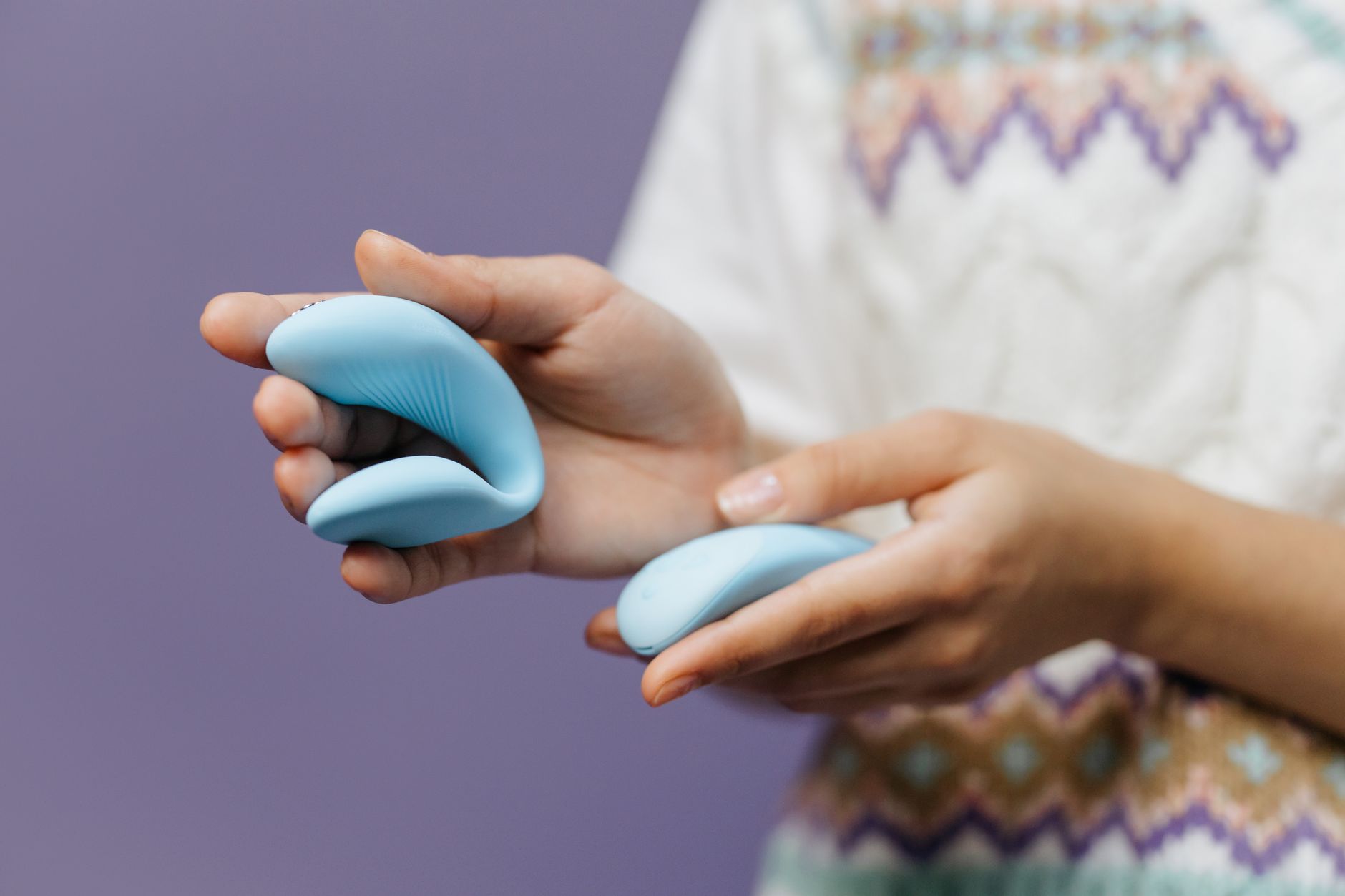
Let's talk about the lube problem nobody mentions
You bought a lemon vibrator. You're ready. Then you reach for lube and the moment it touches your skin, something feels off. Too sticky, too thick, too slippery in a way that makes the sensations numb instead of sharp. You're not broken. The lube just isn't right for your body or your toy.
This is wildly common and fixable in about three minutes.
Why lubrication texture matters with clitoral vibrators
Let's start with physics. When you use a lemon clitoral vibrator, you want vibrations to travel through lube to your tissue. Thick, heavy lubes act like a buffer. They dampen sensation instead of enhancing it. Thin lubes either dry out fast or feel too slippery, which actually makes it harder for the suction cup of a lem vibrator to work effectively.
Tissue sensitivity also plays a role. If you have thin or reactive skin around your clitoris, certain lube bases can trigger irritation. Glycerin, which is in most commercial lubes, is hygroscopic. It pulls moisture from tissue in dry climates, making things feel worse after five minutes instead of better.
The other piece is personal preference, which is totally legitimate. Some people genuinely hate the sensation of lube. Some need it only for comfort, not sensation. Some want something that feels like skin oil, not clinical gelatin.
The solution isn't "get over it". It's finding what actually works.
Water-based vs. silicone vs. hybrid lubes for lemon vibrators
Here's the breakdown in plain language.
Water-based lubes are the workhorse. They're easy to clean up, body-safe, compatible with all toy materials (silicone, glass, metal), and thin enough that clitoral vibrators can vibrate through them without losing intensity. The downside: they dry faster, especially if you're using a toy that generates heat or if your skin tends to be dry. Brands like Sliquid, System Jo, and Uberlube (water-based, not their silicone version) are reliable. Cost: usually 8 to 18 dollars for two ounces.
Silicone-based lubes feel luxurious and last much longer. They don't dry out, they feel closer to skin oils, and many people find them genuinely sexier. The catch: they can damage silicone toys over time. If your lemon vibrator is silicone (which most lemon adult toys are), silicone lube will degrade it slowly. If your toy is glass, metal, or ABS plastic, silicone lube is fine. Cost: 12 to 25 dollars for one ounce, because a little goes a long way.
Hybrid lubes split the difference. They're mostly water-based with a small silicone component, so they last longer than pure water-based but don't damage silicone toys. The sensation falls somewhere in the middle. Brands like Aloe Cadabra and Hyalo Gyn offer good hybrids. Cost: 10 to 20 dollars for two ounces.
For lemon sexual toys and other silicone clitoral vibrators, stick to water-based or hybrid. Period.
The texture test: finding what feels good on your skin
Honestly though, the best lube is the one that doesn't make you think about lube.
When you're testing, don't apply it to the toy first. Put a small amount on the inside of your wrist or the back of your hand and rub it around for 30 seconds. Does it feel slippery, sticky, or slick? Does it warm up or stay cool? Does it absorb into your skin or sit on top? That's what it'll feel like during sex.
Some people love that slippery sensation. Others find it numbing. Some need it only for the first few minutes until natural lubrication kicks in. Some have sensitive skin and need fragrance-free, paraben-free formulas (most quality brands are, but drugstore lubes often aren't).
If you have a history of yeast infections or bacterial vaginosis, avoid lubes with glycerin and nonoxynol-9. If you have lichen sclerosus or other skin conditions, talk to your doctor about which ingredients are safe. If you're perimenopausal or postmenopausal and lube feels uncomfortable, you might need thicker or longer-lasting formulas. How to use lemon vibrators when your body takes longer to warm up covers that in more detail.
Application technique: how much, where, and when
This is where most people get it wrong.
Don't slather lube all over the toy before you start. Apply a nickel-sized amount directly to your skin around your clitoris. Then add a small amount to the suction cup of your lem vibrator. This gives you control. You can add more as you go instead of starting slippery and then fighting friction.
Timing matters too. If you apply lube before you're aroused, it sits there feeling uncomfortable. Apply it after two to three minutes of foreplay or solo buildup. Arousal increases natural moisture, and the lube works with that instead of against it.
If you're using the lemon vibrator for extended sessions (15+ minutes), reapply every five minutes. Lube dries, sensation drops, and you'll be tempted to increase intensity instead of rehydrating. That's how chafing happens.
One more thing: use less than you think you need. A tiny amount goes a long way with suction-based toys. More lube doesn't equal better sensation. It usually equals less sensation.
When the problem isn't the lube, it's something else
Sometimes discomfort with lubrication isn't about the lube at all.
If lube makes you feel numb or disconnected, you might have reduced clitoral sensitivity from stress, medication, or hormonal changes. That's not a lubrication problem. That's a sensitivity problem. Why lemon clitoral vibrators work better when you have reduced clitoral sensation from stress walks through how to address that.
If lube triggers irritation, stinging, or burning, you likely have a reaction to an ingredient. Stop using that brand immediately. Your skin is telling you something valid.
If lube feels heavy or constraining and makes you anxious, that's sensory preference, not a defect. Some people genuinely prefer dry sensation. You don't have to use lube just because it's "supposed" to feel good. You can use your lem vibrator without lube, especially if you have natural lubrication.
But if you want to use lube and the texture is the barrier, keep reading.
Three formulas to try if you hate standard lube
Option 1: Coconut oil (if you're not using silicone toys). It's warm, skin-like, smells good, and costs three dollars. The downside is it can clog pores and promote yeast if you're prone to infections. Use sparingly.
Option 2: Slippery Elm bark powder mixed with water. This is what some people with sensitive skin swear by. It's thick, soothing, and hypoallergenic. You make it fresh each time, which takes 60 seconds. Fair warning: it's not mainstream, and you're basically DIY-ing.
Option 3: Thick, plant-based lubes like Hyalo Gyn or Aloe Cadabra. These are made from aloe and aloe polysaccharides instead of glycerin. They feel less sticky, absorb better, and tend to be gentler on reactive skin. Cost is higher, but they last a long time and don't trigger irritation for most people.
If you're in your 40s or older and lube feels uncomfortable after hormonal changes, thicker formulas often work better than thin ones. How to use lemon vibrators when you're in your 40s and rediscovering pleasure covers that specific transition.
The real insight: lube should disappear
A good lubricant is one you forget about. You're thinking about sensation, about your body, about pleasure. Not about whether your thighs feel slippery or sticky or uncomfortable.
That's the test. Use whatever formula and texture lets you focus on what feels good instead of what doesn't. With lemon clitoral vibrators, that usually means water-based, thin enough to let vibrations through, and applied in small amounts that you can control.
Your pleasure matters. So does your comfort.
FAQ: lubrication and lemon vibrators
Can I use lemon vibrators without any lubrication?
Absolutely. If you have natural lubrication and lube makes you uncomfortable, skip it. Some people find that suction-based toys like the lem vibrator work better dry because the friction helps the seal. Others use a tiny amount only initially and then go without. Listen to your body, not the rules.
How do I prevent lube from drying out during longer sessions?
Reapply every five minutes instead of trying to start slippery and coast. Keep the lube bottle nearby. A small amount applied often beats a large amount applied once. If you're using water-based lube and it's drying fast, try a hybrid formula, which lasts longer without damaging silicone lemon adult toys.
What if I'm allergic to lube but need it for comfort?
Try fragrance-free, paraben-free brands first. If that doesn't work, see a dermatologist or gynecologist before trying DIY options. Reactions can get worse, and you want professional guidance. Hypoallergenic lubes exist, but they're not all the same.
Does body temperature affect how lube feels?
Yes. Silicone lubes warm up and feel better as you use them. Water-based lubes often feel cooler. If you like warmth, silicone is your friend (just not with silicone lemon vibrators). If you prefer cool sensation, water-based is better. Warming lube in your hands for ten seconds before applying also changes how it feels.
Can I use the same lube with my partner and alone?
Yes, as long as it's body-safe. The only difference is communication. If your partner prefers a different lube texture, you can use one for partnered sex and another for solo use with your lemon clitoral vibrator. Different lubes for different contexts is totally normal.
Why does lube make my clitoris feel numb?
Thick lube buffers vibrations and dulls sensation. If that's happening, try a thinner formula or apply less. If you're using silicone-based lube with a silicone toy, switch to water-based. If thin lube still causes numbness, the issue might be clitoral sensitivity (not lube), and you'd benefit from longer warm-up or different stimulation patterns.
The bottom line
Lubrication should make pleasure feel easier, not harder. If it doesn't, change it. Test water-based first, apply less than you think, and add more if you need it. Your lem vibrator and your clitoral sensitivity will feel the difference. You deserve lube that feels good on your skin and lets you feel everything your body is telling you. That's not a luxury. That's the baseline.