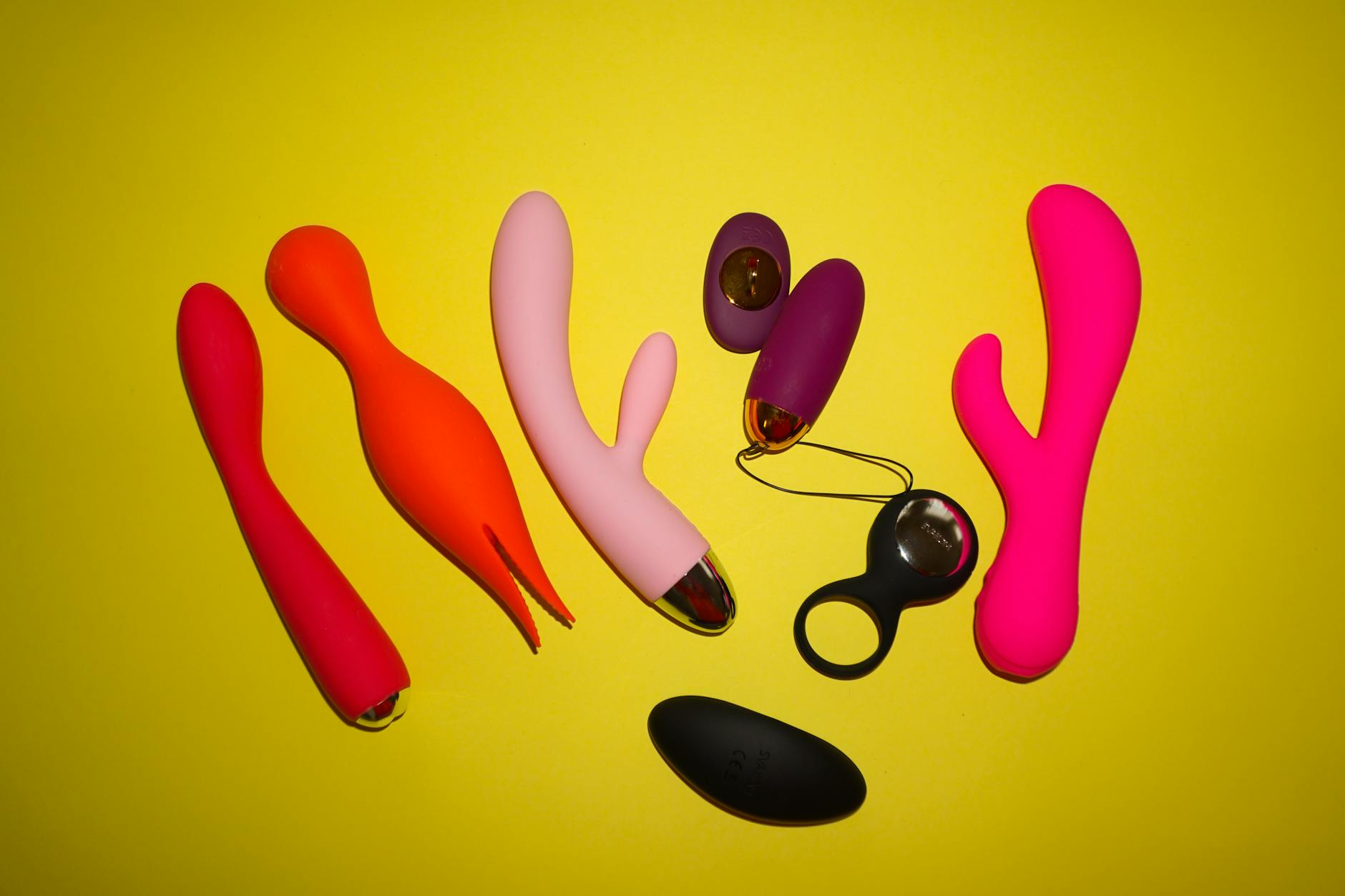
How to Use Lemon Vibrators When Pleasure Feels Different After Hormonal Shifts
Let's be real. When your hormones shift, pleasure changes. Not disappears. Changes.
And that shift gets wrapped in about a thousand layers of myth and shame. You hear either "everything dries up and that's just life" or "don't worry, nothing changes." Both miss the actual truth. Your pleasure response gets different, but different often means more refined, more nuanced, and honestly more satisfying than it was before.
Here's what I want you to know: your best orgasms might still be ahead of you. And lemon vibrators, especially suction-style clitoral vibrators, are often the secret that helps people find them again.
What actually happens when your hormones shift
When estrogen and testosterone drop (yes, people with vulvas produce testosterone too), tissue thickness decreases. Your pelvic floor loses some of the support that estrogen provides. Lubrication changes. Arousal takes longer to build.
But here's what the medical literature doesn't talk about enough: the neural pathways for pleasure stay intact. Your clitoral nerve density doesn't vanish. Your brain's capacity for orgasm doesn't disappear. Many of my clients report that their most satisfying orgasms happen after hormonal shifts. This isn't a polite lie you tell therapists. It's a clinical reality.
The shift is physical and real. The pleasure potential is still there. You're just working with different mechanics now.
Why sensation might feel muted or different
Three things often happen simultaneously:
Tissue changes require different stimulation. Thinner, drier tissue needs gentler initial contact but often responds beautifully to sustained, consistent pressure. Direct friction that used to work might feel raw or uncomfortable now. Suction-based clitoral vibrators like the Lemon bypass friction entirely. They create a seal around the clitoris and use gentle pulsing pressure instead. For people navigating tissue changes, this shift from friction to suction is often life-changing.
Your nervous system needs longer warm-up time. Arousal used to build in five minutes. Now it takes fifteen or twenty. This isn't a loss. It's an invitation to slow down. People who shift their expectations about timing often discover that longer arousal builds deeper sensation and more intense orgasms.
Mental clarity actually changes the experience. When hormones were cycling, your brain was managing menstrual cycles, fertility concerns, and cultural pressure to perform. After hormonal shifts, many people find that mental noise quiets. You're not thinking about whether you're taking too long. You're present. That presence transforms everything.
How lemon vibrators specifically help after hormonal shifts
I recommend lemon clitoral vibrators and suction toys for post-hormonal-shift bodies because they solve for exactly what changes.
Gentle initial contact. The Lemon doesn't start with grinding vibration. It creates a soft seal and builds slowly. That matters when tissue is thinner. You control the intensity from the very first sensation.
Sustained pressure without friction. Suction stimulates the clitoral network without the mechanical wear that can feel too intense on delicate tissue. You get pressure, pulsing, and deep nerve activation without rawness.
Multiple patterns for different needs. Some days your body needs sustained pressure. Other days it needs rhythmic pulsing. Lemon vibrators offer eight patterns, so you can match the device to what your body actually wants that day.
Built for longer sessions. When arousal takes longer to build, you need a toy that won't overheat or lose power. The Lemon runs for two hours on a charge. You're never interrupted by a dead battery mid-session.
The warm-up strategy that changes everything
Here's what I tell clients who feel like arousal is disappearing:
Budget twenty to thirty minutes. Separate foreplay from penetration if that's part of your routine. Start with lemon vibrators at the lowest intensity. Pattern 1 or 2. Let sensation build slowly.
Your clitoris doesn't need aggressive stimulation anymore. It needs consistent, patient attention. Many people who shifted to slower warm-up report that their orgasms became more full-body, longer-lasting, and more intense than before.
Use water-based lubricant even if you're producing some natural lubrication. Thinner tissue benefits from the glide. It's not a sign something is broken. It's part of working with your body now.
Lubrication and tissue care matter more
This is clinical but important. Choose water-based lubricant every time. Not silicone. Not oil-based.
Water-based absorbs into tissue and stays slippery longer. Silicone-based lubes feel richer but can damage silicone toys (and most lemon vibrators are silicone). Apply generously. More is better than less when tissue is thinner.
After sex, use a gentle cleanser formulated for vulvas. Pat dry. Some people benefit from a vaginal moisturizer on non-active days (different from lubricant). Talk to a gynecologist about this if dryness is affecting your quality of life.
When sensation feels inconsistent between sessions
Your body isn't malfunctioning if some sessions feel more responsive than others.
Sleep, stress, hydration, where you are in any remaining hormone cycles, medications, pelvic floor tension. All of these shift week to week. One session might feel like you have zero sensation. The next feels incredible.
Instead of chasing consistency, practice curiosity. What was different? More sleep? Less stress? A different time of day? Different position? The more you notice patterns, the more you can create conditions for the sensation you want.
How to use lemon vibrators if you've been avoiding pleasure
Some people stop having sex entirely after hormonal shifts because the early attempts felt disappointing.
That's a grief response. Your body changed. The thing that worked before doesn't anymore. That loss is real.
Here's how to come back:
Start alone. No pressure, no partner expectations, no performance anxiety. Use a lemon clitoral vibrator at the lowest setting with plenty of lubricant. Let yourself spend time just noticing sensation without needing it to lead anywhere.
Orgasm doesn't have to be the goal. Pleasure and sensation matter on their own. Once you remember what your body can feel, coming back to partnered sex gets easier.
When to get support from a professional
If pain shows up during sex, don't wait for it to resolve on its own. Genitourinary syndrome (tissue atrophy related to hormonal changes) is highly treatable. A gynecologist can prescribe topical estrogen creams that have minimal systemic absorption and work in weeks.
If desire has flatlined and isn't coming back with longer warm-up and better tools, testosterone therapy is worth exploring. It's not a magic fix but it changes things for the right person.
If you're grieving the change and it's affecting your relationship, that's what a couples therapist is for. Hormonal shifts hit relationships because pleasure is relational. Working through it together matters.
The truth about pleasure after hormonal shifts
Your pleasure didn't end. It evolved.
You're not broken. You're not less sexual. You're working with different hardware now. And that different hardware, paired with lemon vibrators designed for exactly this kind of body, often produces sensations and orgasms that are richer, deeper, and more satisfying than before.
The people I've worked with who made it through this transition report one consistent thing: they feel more in their bodies now. More present. More capable of actual pleasure instead of performing it.
That's not a consolation prize. That's the whole point.
FAQ: Lemon Vibrators and Hormonal Changes
How long does it take for arousal to return to normal after hormonal shifts?
It doesn't return to what it was. It becomes different. Most people find that arousal builds deeper and longer within two to four weeks of using the right tools and adjusting expectations about timing. Warm-up time of fifteen to thirty minutes becomes the new normal. That slower arousal often produces more intense sensation, so it's not really a downgrade.
Can you use lemon vibrators if you have tissue thinning from hormonal changes?
Yes, actually better than most toys. Lemon vibrators use suction instead of friction, which means they stimulate without the mechanical pressure that can feel raw on thinner tissue. Start at the lowest intensity and use generous water-based lubricant. Most people find that clitoral vibrators designed for gentle stimulation feel better than traditional vibrators during this phase.
Should you use lubricant with a lemon clitoral vibrator after hormonal shifts?
Always. Even if you're producing some natural lubrication, add water-based lube generously. Thinner tissue glides better and feels more comfortable with additional lubrication. Apply before using the toy and reapply if sensation changes mid-session. This is standard care, not a sign something is wrong.
How do you know if sensation changes are hormonal or something else?
Hormonal changes typically show up as gradual shifts. Arousal takes longer. Sensation needs different timing or intensity. Lubrication changes. These happen slowly over weeks or months. If sensation changes suddenly and sharply, or if pain appears, that's worth checking with a doctor. Most sensation changes after hormonal shifts are normal, but sudden changes deserve professional eyes.
Can lemon vibrators help if you haven't had sex in months after hormonal shifts?
Yes. Restarting solo is often easier than restarting partnered. Use a lemon vibrator at low intensity with plenty of lubricant. Focus on sensation and pleasure without performance pressure. Once you rebuild connection to your own body and remember what it can feel, partnered intimacy gets easier. Many people find their best orgasms come during this solo reconnection phase.
What pattern should you use on a lemon vibrator if arousal is slow to build?
Start with pattern 1 or 2. The lowest intensity. Let sensation build for ten minutes before increasing intensity. Many people who shifted to slower, lower-intensity patterns found that their arousal deepened and their orgasms became fuller and longer. Speed up if you want, but patience often pays off more than increasing intensity.
You're not starting from scratch
Your body didn't lose pleasure. It changed how it experiences it.
That shift often means deeper sensation, longer-lasting arousal, and more satisfying orgasms when you adjust your expectations and your tools.
If you're navigating this transition and feeling stuck, reach out. There's a whole category of support available, from gynecologists who specialize in hormonal changes to therapists who work with couples through this phase. You don't have to figure this out alone.
Your pleasure matters. And the best part of your sexual life might actually still be ahead of you.
Want to explore how lemon vibrators fit into your specific situation? Get in touch with our team for personalized guidance.