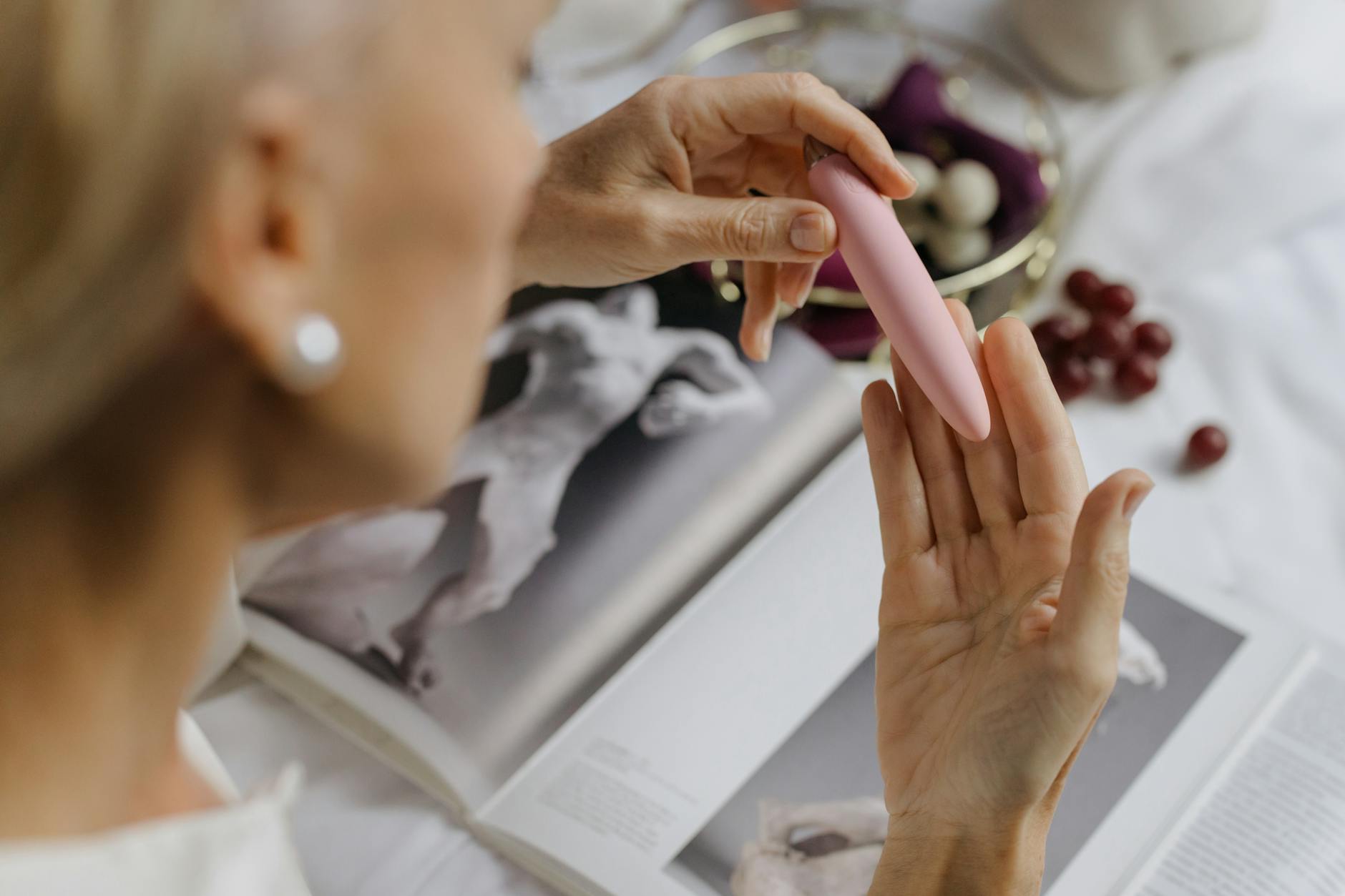
Let's talk about the thing nobody mentions
Your body is not a machine with a reliable on/off switch. One session, a lemon clitoral vibrator at medium intensity sends you straight into an intense orgasm. Two days later, the same toy at the same setting feels almost numb. You're not broken. Your sensitivity genuinely fluctuates, and there are concrete reasons why.
Understanding what drives this variability is the first step to working with your body instead of fighting it. And lemon vibrators, specifically their precision suction design, are particularly useful tools when sensation feels unpredictable.
The physiology behind inconsistent sensation
Your clitoris isn't the same from day to day. Hormonal shifts affect blood flow and tissue engorgement. If you menstruate, sensitivity typically peaks around ovulation and dips during your period or premenstrually. But cyclical hormones aren't the only factor.
Stress directly suppresses the parasympathetic nervous system, which is responsible for arousal. If you've had a rough day at work or you're in conflict with a partner, your clitoris gets less blood flow. It literally becomes less responsive, even if your brain is interested. Sleep debt does this too. Poor sleep tanks dopamine, which fuels desire.
Dehydration narrows blood vessels. Caffeine and nicotine constrict them further. Medications like SSRIs and antihistamines can blunt sensation. Alcohol loosens inhibition but impairs the actual nerve signals that create pleasure. Even your position matters. Lying on your back with your pelvis tilted forward creates more direct engorgement than lying on your side.
The point: inconsistent sensation is usually not psychological, though stress obviously factors in. It's your nervous system and circulatory system responding to real physiological conditions.
Why lemon vibrators handle variability better than standard toys
Most vibrators deliver consistent mechanical stimulation. If you're having a low-sensation day, a wand vibrator at the same frequency can feel underwhelming or even irritating. Lemon suction vibrators work differently. They use air-pulse technology to create a sensation pattern that feels more responsive to your body's actual state.
On a high-sensitivity day, the suction mode on a lemon clitoral vibrator creates gentle, focused stimulation that doesn't overshoot into numbness or rawness. On a low-sensitivity day, the same toy's varied pulse patterns engage more nerve endings because the sensation is layered. Suction isn't just one-directional pressure. It's a rhythmic pattern that your nervous system reads differently than constant vibration.
This is why so many people report better orgasms with air-pulse tools when their sensation feels unreliable. The tool itself adapts to your body's readiness rather than asking your body to adapt to the tool's fixed output.
Mapping your sensitivity patterns
Start tracking when sensation feels on and when it feels off. This takes two weeks minimum. Note the day of your cycle if you menstruate, your sleep quality, stress level, caffeine intake, hydration, and whether you had alcohol the night before. You don't need to obsess over it. A quick phone note: "High today, great orgasm" or "Low today, took longer" is enough.
Patterns emerge quickly. You might notice that the three days after your period sensation is usually strong, or that poor sleep consistently tanks responsiveness. Some people find that intense exercise increases sensitivity for a few hours. Others notice the opposite.
Once you see your patterns, you can plan around them instead of being surprised by them. If you know that pre-period sensitivity dips, you can adjust your toy selection that week. Instead of expecting the same experience every time, you're working with your body's actual rhythm.
Using intensity settings strategically
Most lemon adult toys have multiple speed and pattern options. On high-sensation days, starting at a lower intensity and building up often leads to the best outcome. Your nervous system enjoys the ramp. Rushing to the highest setting can overstimulate and paradoxically reduce sensitivity.
On low-sensation days, you might think you need maximum intensity. Actually, the opposite usually works. Start at a mid-range intensity and vary the pattern frequently. Your nervous system engages more when it's processing different sensations. The brain tunes out constant stimulation, which is why so many people find that the same toy on the same setting becomes less effective over time. Novelty in pattern resets that habituation.
The Lemon clitoral vibrator, for example, has adjustable pulse patterns specifically because single-mode vibration doesn't work for everyone, every time. Using pattern variations is not a workaround. It's the actual design feature that makes the tool useful when sensation is inconsistent.
Lifestyle adjustments that genuinely help
Four things directly improve clitoral responsiveness across most people.
Sleep is non-negotiable. One night of poor sleep noticeably reduces sensation for the next 24-48 hours. If pleasure is a priority, so is sleep. This isn't romantic. It's practical.
Hydration matters more than you think. Dehydrated tissue is less engorged. Drink water steadily through the day, not just when you're about to have sex. Consistent hydration improves baseline responsiveness.
Manage stress before the bedroom. You can't negotiate your nervous system into arousal. If you're arriving at intimacy still in sympathetic activation from your day, sensation will feel muted. Even 10 minutes of breathing or a quick walk shifts your state. Consider that a part of your pleasure preparation, not a luxury.
Move your body. Light exercise, stretching, even a brisk walk increases blood flow and circulating dopamine. People often report higher sensitivity on days they've exercised. It doesn't have to be intense. The goal is blood flow, not a gym achievement.
What to do when sensation crashes mid-session
Sometimes you start strong and then sensation just flattens out. This happens. Your nervous system habituates to constant stimulation. A few strategies help.
First, pause. Stop everything for 30 seconds to 2 minutes. Let your tissue reset. Then restart with a different pattern or lower intensity. The novelty of the changed stimulus often brings sensation back online.
Second, change your position or what you're focusing on mentally. Shift from pure clitoral stimulation to something adjacent. If you've been using a lemon suction vibrator directly on your clitoris, try placing it higher on your mons pubis or using it through light pressure instead of full contact. That micro-shift can reset sensitivity.
Third, accept that some days sensation won't return. Pleasure still exists. Orgasm doesn't have to be the goal. People often find that when they release the pressure to achieve a specific sensation outcome, their body relaxes and pleasure actually shows up differently than expected.
Communicating inconsistency to a partner
If you're with someone, they need context. Partners often internalize fluctuating sensation as personal rejection. "You orgasmed easily last week but not today, so I must have done something wrong." That's a painful misunderstanding to carry.
A simple conversation: "My body's responsiveness varies based on stress, sleep, and where I am in my cycle. It's not about you or what you're doing. When sensation feels low, I might use my lemon vibrator differently, or we might focus on pleasure that doesn't require peak sensitivity. This is normal."
That reframes inconsistency from failure to reality. Your partner can then support you instead of taking it on.
When to see a provider
Inconsistent sensation is normal. Complete loss of sensation for weeks, or sudden sensation that feels painful, is not. If your baseline responsiveness drops dramatically and stays low, talk to a gynecologist or sex therapist. Hormonal shifts, medication changes, or nerve issues sometimes need professional input. That's not a sign you're broken. It's just using the right tool for diagnosis.
The pattern is the point
Your body is not a machine with a single setting. Lemon clitoral vibrators, with their varied pattern options, are designed for the reality that sensation fluctuates. The goal isn't perfect consistency. It's learning to work skillfully with whatever your body is offering on any given day. That's not compromise. That's actually deeper pleasure, because it's rooted in what's true rather than what you think should happen.
People also ask
Why does my clitoral sensitivity change throughout my cycle?
Estrogen and progesterone fluctuate predictably, and they directly affect blood flow to your clitoris and surrounding tissue. In the follicular phase, rising estrogen increases blood vessel responsiveness and clitoral engorgement. Around ovulation, sensitivity typically peaks. After ovulation, progesterone rises and blood flow to the clitoris actually decreases slightly, which is why many people notice reduced sensitivity in the luteal phase. This is normal physiology, not a malfunction. Tracking when you feel most responsive can help you plan intimacy around your actual sensitivity patterns.
Can stress really affect my ability to orgasm?
Completely. When you're under stress, your sympathetic nervous system (fight-or-flight) activates, which diverts blood away from your genitals and toward your limbs and brain. Your clitoris literally gets less blood flow when you're stressed. Additionally, cortisol suppresses dopamine and other neurotransmitters essential for pleasure. Even if you want an orgasm, your nervous system can override that. This is why rest, recovery, and stress management directly improve sexual responsiveness. It's not psychological weakness. It's neurology.
Does using lemon vibrators too often reduce my sensitivity?
Habitation happens with any repetitive stimulus, but lemon clitoral vibrators minimize this because they have multiple patterns and intensities. If you use the exact same pattern at the exact same intensity every time, yes, your nervous system will eventually tune it out. That's why varying patterns and intensities is built into most lemon adult toys. The variability is a feature, not a bug. You can absolutely use your toy frequently without losing sensitivity if you rotate patterns and take breaks between sessions.
Should I use a different lemon vibrator on low-sensation days?
Not necessarily. Most lemon suction vibrators work well across sensitivity ranges precisely because they offer pattern variation. What changes is how you use it. On low days, spend more time on lower intensities with varied patterns. On high days, you might start low and ramp up. The toy stays the same. Your approach adapts. That said, if you have both a suction-based toy like the Lemon clitoral vibrator and a traditional vibrator, the suction tool often feels more effective on variable sensation days because the pattern technology engages your nervous system differently.
What medications reduce clitoral sensitivity the most?
SSRIs (used for depression and anxiety) are well-documented to reduce sensation in many people, though response varies widely. Antihistamines, some blood pressure medications, and hormonal birth control can also affect sensitivity. If you started a new medication and noticed a shift in responsiveness, that's worth discussing with your prescriber. Sometimes switching the timing of your dose or trying a different medication class helps. Never stop medication without guidance, but the conversation is worth having.
How long does it take to notice patterns in my sensitivity?
Two to three weeks of basic tracking usually reveals obvious patterns. Some people see them even sooner. The idea isn't to become obsessive. Just a quick note each time you have sex: time of cycle if relevant, sleep quality that night, stress level, whether you used alcohol or caffeine, and how sensation felt. Within a month, you'll likely see repeating threads. Then you can actually plan around your body instead of being surprised by it.