The silence between you
Your partner gets quiet the moment you mention anything about sex. Maybe it's a question about what they enjoy, a suggestion to try something new, or just a simple "Hey, I'd like to talk about us." Either way, the conversation gets shut down before it starts. They change the subject. They deflect with humor. They disappear into their phone. And you're left holding all the discomfort alone.
This isn't about rudeness. It's usually about vulnerability. Sex talk feels risky to people who grew up in shame-soaked environments, who learned that desire was dangerous, or who've experienced judgment from past partners. The vulnerability of saying "I want this" or "That doesn't work for me" can feel like stepping off a cliff.
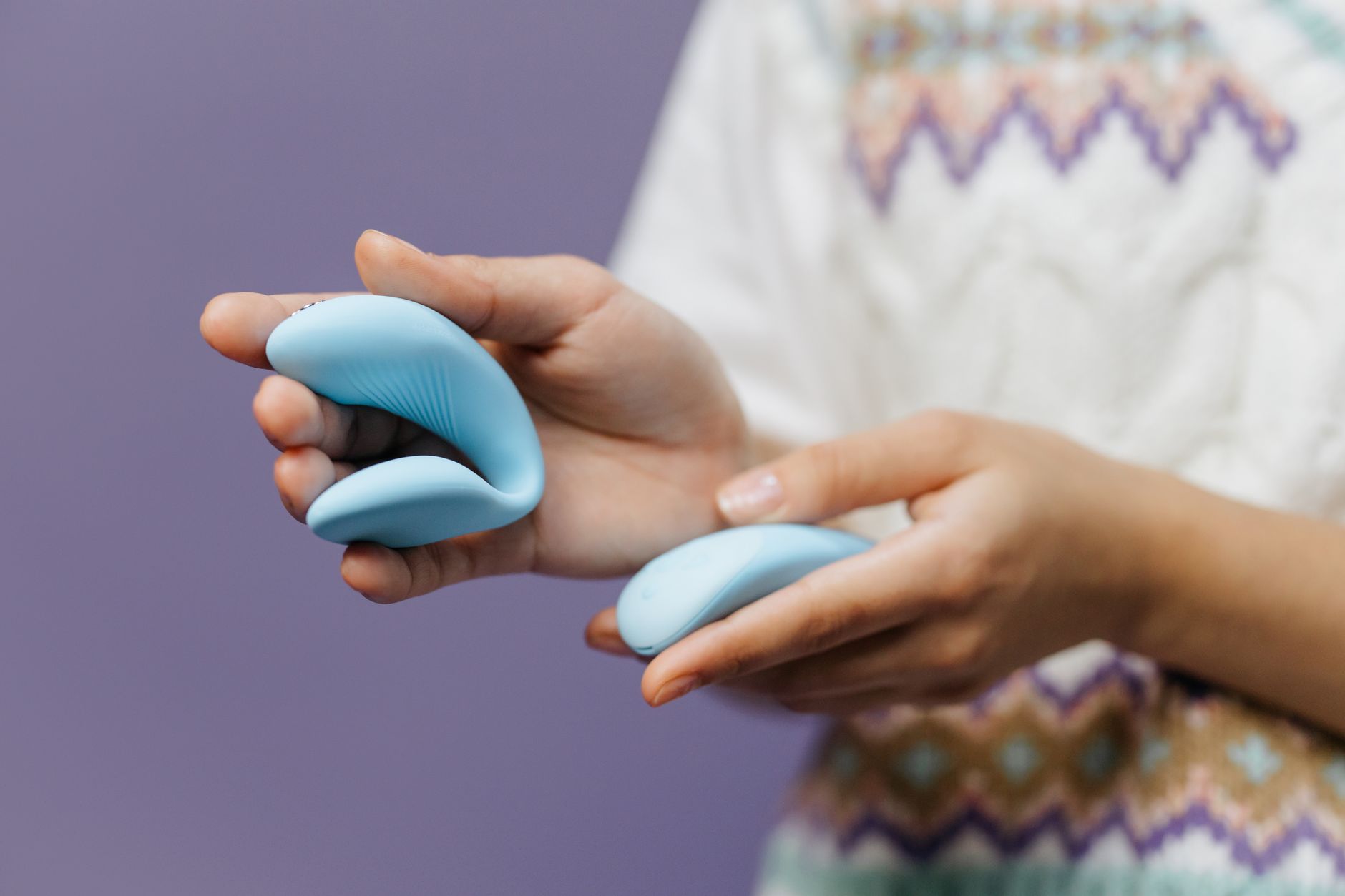
Here's the thing: lemon vibrators, and lemon clitoral vibrators specifically, can actually help break this pattern. Not by forcing conversation, but by creating a non-threatening way to introduce pleasure into your shared space without the weight of words.
Why avoidance happens in the first place
Let's be clear about the psychology here. When someone avoids sex talk, it's almost never because they don't care about you. It's because the conversation triggers something in their nervous system. Fear of judgment. Fear of getting it wrong. Fear that wanting something makes them greedy or broken.
Many people learn early that discussing pleasure is selfish. Others had sex weaponized against them, or grew up in environments where bodies were shameful. Some are just English speakers in relationships where intimacy was never modeled as something you talk about.
The avoidance feels safer than the conversation. And for a while, it is. But avoidance is also how couples drift. Sex becomes transactional or absent. Resentment builds quietly. You start to feel like a pest for wanting to be wanted.
Breaking this pattern doesn't mean forcing your partner to suddenly become chatty. It means creating a different entry point into the conversation. One that feels less like interrogation and more like play.
Using lemon vibrators to shift the dynamic
Here's how lemon sexual toys can help restart communication around desire. This works because it introduces touch, pleasure, and novelty without requiring someone to verbalize feelings they don't yet have language for.
Start outside the bedroom. Bring it up casually. "I got this thing I want to try" is less charged than "We need to talk about our sex life." Leave a lemon clitoral vibrator visible on your nightstand. Mention it like you'd mention a new skincare product. Normalcy disarms.
Let them observe your pleasure first. If your partner is uncomfortable with sex talk, watching you use a lemon vibrator solo can be less intimidating than being asked to participate immediately. You're not asking them to do anything. You're just exploring pleasure in their presence. This is exposure therapy, gently. It teaches their nervous system that sex talk and toys aren't dangerous.
Invite, don't demand. "Would you want to watch? Or try using this together sometime?" is wildly different from "We're going to use this toy." The invitation gives them agency. Their "not yet" doesn't feel like rejection. It feels like information.
Use the toy as a conversation starter, not a replacement. The goal isn't to avoid talking forever. It's to create a moment where talking becomes possible. After you've used a lemon clitoral vibrator and you're both relaxed, the follow-up conversation often flows more easily. "That felt really good" opens differently than "We never talk about sex."
The neuroscience of pleasure and trust
When you experience pleasure, your brain releases oxytocin and dopamine. These chemicals make you feel safer and more bonded. When your partner witnesses you feeling good, their mirror neurons activate. They start to associate sex and desire with safety and connection instead of shame or performance pressure.
Lemon vibrators work here because they're low-stakes. Using a clitoral vibrator doesn't require your partner to perform or get everything right. There's no pressure to maintain an erection, match your rhythm, or prove they know your body. They can just watch, participate if they want, or stay in their comfort zone.
Over time, this repeated experience of pleasure without judgment starts to reshape their nervous system. Sex becomes associated with safety instead of risk.
What to say when they get defensive
If your partner responds with "Why do you need that?" or "What's wrong with just me?" here's the honest answer: "This isn't about you. It's about me feeling good, and wanting to share that with you. I'd like for you to be part of exploring what feels good to both of us."
If they say they're uncomfortable, that's information, not rejection. "I hear that. We don't have to do anything you're not ready for. But I'd like us to talk about what makes you uncomfortable, when you're ready."
If they're angry, they're probably scared. Don't match their intensity. Stay steady. "I love you. I want us to have a good sex life together. I'm not going anywhere, and I'm not asking you to be someone you're not."
These conversations are slow. Don't rush them.
Building the language you don't have yet
Honestly, avoidant partners often just need permission to be awkward. They need to know they don't have to sound like a romance novel or like they have their life figured out.
You could say: "I'm going to use this lemon clitoral vibrator. If you want to know how it feels or ask questions, cool. If you want to try it on me, even cooler. If you want to just exist in the room while I do, that's also totally fine."
Then do it. No pressure. No expectation. Just pleasure, visible and unashamed.
The first time your partner says "Can I try that?" or "That looked nice," they've cracked open the door. The second time is easier. By the third time, you might actually have a real conversation about what you both want.
When to get professional help
If your partner's avoidance is rooted in past trauma, medication side effects, or deeper anxiety, a sex-positive therapist can help. There's no shame in that. Some people need professional support to feel safe enough to explore pleasure, and that's completely valid.
Lemon vibrators are a great tool for couples willing to experiment. They're not a replacement for therapy if the avoidance is symptomatic of larger relationship issues like contempt, criticism, or emotional withdrawal.
The real shift
Using lemon vibrators when your partner avoids sex talk isn't about tricking them into conversation. It's about creating an experience where pleasure feels safe, where their body gets to respond without their mind hijacking the moment with shame. From there, words follow.
Your partner doesn't have to become a talker overnight. They just need to feel less afraid. And sometimes the best way to do that isn't with words at all. It's with touch, curiosity, and the quiet permission that desire isn't dangerous.
People also ask
How do I introduce a lemon vibrator to a partner who thinks toys mean I'm not satisfied?
Reframe it entirely. "Toys aren't about satisfaction with you. They're about different sensations. A vibrator does one thing, you do another. I want both." Then show them how it feels. Most resistance melts once they see that you're not comparing them or trying to replace them. You're just expanding the menu.
Can using lemon clitoral vibrators together actually improve communication?
Yes, because they lower the stakes. You're not sitting across from each other having a serious talk. You're in bed, relaxed, experiencing pleasure together. That physical safety makes verbal vulnerability easier.
What if my partner uses the vibrator as a way to avoid talking even more?
Then you have a separate conversation about that. "I love that you enjoy this with me. I also need us to talk about what we both want. Can we do both?" You're setting a boundary without making sex the enemy.
Is it normal to feel nervous about introducing lemon sexual toys?
Completely. You're risking rejection in a vulnerable area. But avoidant partners often respond better to action than conversation. You're not asking for permission. You're showing up as someone comfortable with your own desire. That's magnetic.
How long before the avoidance gets better?
Depends on the root. Surface-level discomfort around toys? A few weeks of gentle exposure. Deep shame or trauma? Months, maybe longer. Be patient with your partner and with yourself.
What if they still won't engage after I introduce a lemon vibrator?
Then you're not dealing with a communication issue alone. You're dealing with someone whose avoidance is protecting something deeper. That's when couples therapy becomes worth the investment. Nancy Lemon Shop can help you find what works for you, but a professional can help both of you find what's underneath the silence.