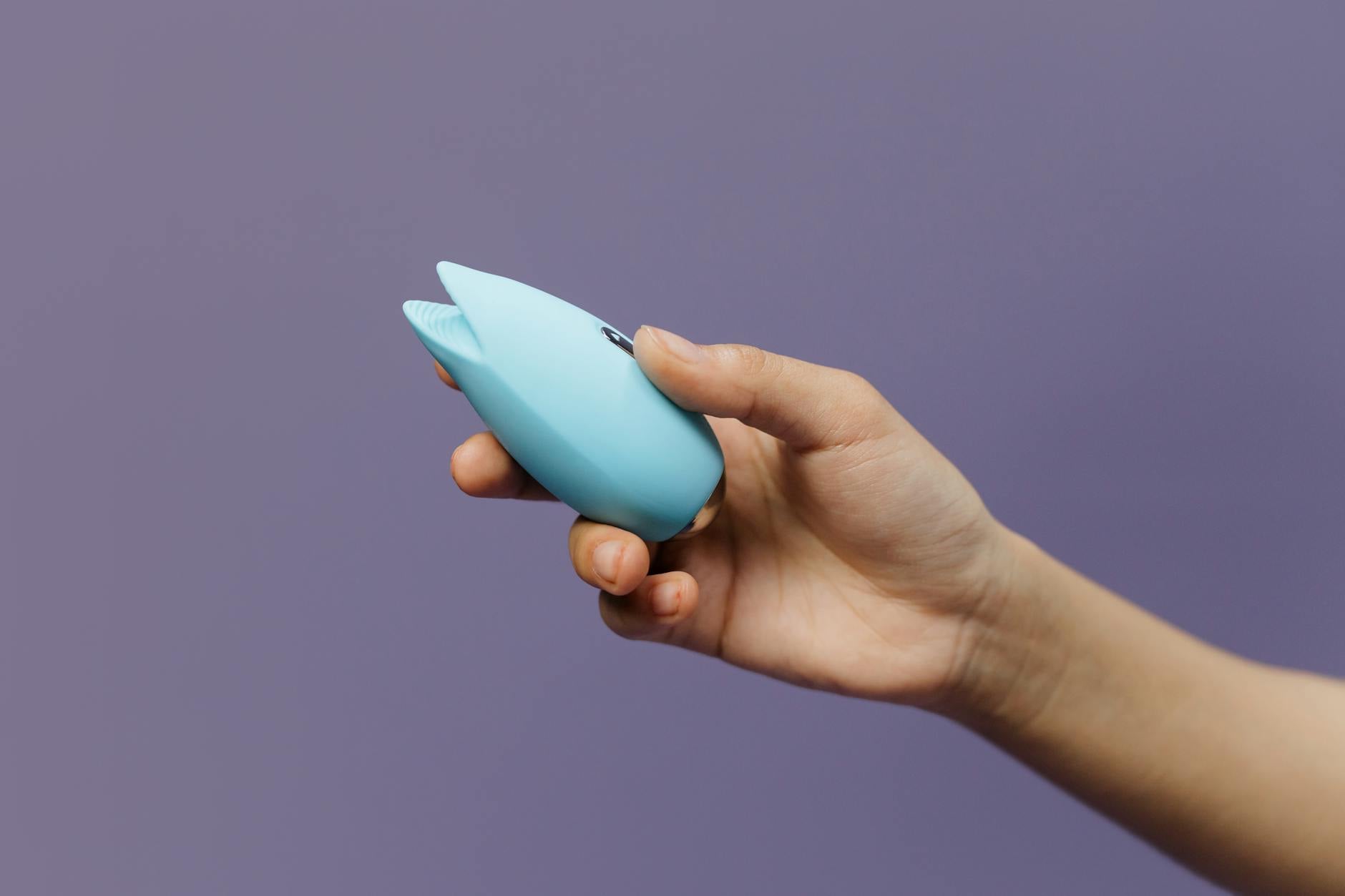
How to Use Lemon Vibrators When You're in Your 30s and Never Learned What Pleasure Feels Like
Let's be real. You've made it three decades without knowing what your own orgasm feels like. Maybe you thought you were broken. Maybe you figured pleasure was something that happened to other people, not you.
Here's what I need you to know first: you're not broken. Your body isn't malfunctioning. What happened is that somewhere between childhood messages about your body, early sexual experiences that didn't prioritize your sensation, and a lifetime of low-grade shame, you learned not to pay attention to clitoral pleasure. That's learnable. It's also unlearnable.
And that's exactly what lemon vibrators are for.
Why this happens more often than you think
I've worked with dozens of women in their 30s, 40s, and beyond who hit this moment of clarity and realize they've never actually experienced what pleasure feels like. The shame that comes with that realization is real. So I'm going to name what actually happened first.
Usually, it's one or more of these things: early sexual education that focused entirely on avoiding pregnancy and disease, never on sensation. First sexual partners who assumed you knew what felt good (you didn't). A cultural backdrop that taught you your body was something to manage, not enjoy. Maybe trauma or assault that made you numb to your own signals. Or simply growing up in a family or faith context where pleasure was dangerous territory.
None of that is your fault. And none of that means you can't start now.
The neuroscience here matters: your clitoris has about 8,000 nerve endings. Every single one of them is still there, waiting. Your capacity for sensation hasn't atrophied. It's just never been activated. Lemon vibrators are specifically designed to activate it, and they do it in a way that works even if you've spent years dissociated from your body.
Why lemon clitoral vibrators are different
If you've tried regular vibrators before and felt nothing, this is why. Most vibrators vibrate. That's fine for someone whose body already understands pleasure, whose nerve endings are already primed and responsive. But if your clitoris has never learned to respond, vibration alone can feel overwhelming or numb.
Lemon vibrators use air-suction technology instead. Think of it like a gentle, pulsing suction that creates sensation without aggressive friction. It's simultaneously more intense and more manageable than traditional vibration. The stimulation is concentrated. It builds. And crucially, it doesn't require your body to already know what it's looking for.
This matters because discovering pleasure for the first time as an adult means your nervous system is learning a new language. You're teaching your brain and body to communicate. A lemon vibrator is like that language class where someone patient finally explains what all these weird sounds mean.
Getting started when you've never done this
The first thing to throw out is performance anxiety. You're not trying to orgasm on command. You're not racing toward a finish line. You're exploring.
Here's what I recommend:
Pick a time when you're alone and unhurried. Not stolen minutes before your partner gets home. Not squeezed between work and laundry. Give yourself 30 to 45 minutes where you're not listening for footsteps or mentally running through your to-do list. This is not efficiency. This is permission.
Start with your clothes on. I'm serious. Use your lemon vibrator over your clothes first. Let your body notice the sensation without the vulnerability of being fully exposed. Some people spend weeks doing this before they ever take their pants off. That's fine. Your body needs time to understand that this is safe.
Locate your clitoris without pressure. You know where it is anatomically, but you might not have ever actually felt it as a site of sensation. Spend some time just noticing. A lemon vibrator's power isn't in forcing a response. It's in giving your nerve endings something to respond to. Use pattern 1 or 2 (the gentlest settings) and move around a little. The point isn't to find the magic button. It's to listen to your body telling you where it likes the sensation.
Let it be weird. It might feel strange. It might feel like pressure. It might feel like nothing at all for a while, and then suddenly something shifts. Sensation can take time to build, especially if your body is used to being numb. Keep your expectation low and your curiosity high.
Why patience is not optional
If you've gone 30 years not feeling your clitoris, you didn't get there overnight. Your nervous system has learned that this part of your body doesn't matter. Reversing that takes time. For some people it's days. For others it's weeks or months. Both are normal.
You might feel stuck at "I can tell I'm using the vibrator, but I don't feel pleasure." Stay there for a while. Let your brain map the sensation. This is the work. This is also where most people quit, because it feels like failure. It's not. It's the necessary foundation.
When you start to feel actual sensation, not just "I'm holding something buzzing," something in your nervous system shifts. You'll notice your breath change. Your attention will sharpen. You might feel warmth or tightness. You might feel nothing and suddenly feel everything. Your first clitoral sensation as an adult doesn't have to look like an orgasm. It just has to be real to you.
The role of lube, settings, and positioning
Water-based lubricant makes this easier. It reduces friction, and it signals to your body that this is safe. Even if your body is making its own lubrication, adding more removes one variable (friction) so you can focus on what the vibrator is actually doing.
Start with the lowest pattern. Many lemon vibrators have 5 to 10 settings. You will not need most of them right away. The gentlest setting is often where the magic is. You can always increase. You can rarely unhear an intensity level that startled you.
If lying down doesn't work, try sitting. If your clitoris is more visible from a certain angle, position your body that way. There's no correct position. There's only what lets you pay attention to sensation without distraction.
When to involve a partner (if you want to)
Here's the most important thing: you don't need a partner to discover your own pleasure. Do that first. Become friends with your own clitoris before you bring anyone else into the room.
If you're in a relationship and you want to explore this with them, that's a separate conversation. You'd be introducing them to something new in your body, which is different from discovering it together. Make sure your partner understands that this isn't about them. It's not a complaint about what they've been doing. It's you finally giving yourself permission to feel.
Many partners are relieved. Many are curious. Some feel defensive. All of that is okay, and none of it should stop you from learning your own body. If your partner's reaction to your pleasure matters more than your actual pleasure, that's worth examining with a therapist separately.
What to expect after weeks of exploration
Sensation comes before orgasm. You'll notice that your clitoris feels sensitive. It might become more visible when you're aroused. Your body might start to respond faster over time. These are all signs that your nervous system is waking up.
Orgasm may or may not come. I know that sounds impossible if you've never had one, but it's true. Some people skip straight from sensation to orgasm within weeks. Some people take months. Some people discover they like the sensation without needing to reach climax. All of these are success.
The goal isn't orgasm. The goal is knowing what your own body feels like when it's being paid attention to. That alone changes everything.
When to reach out for support
If you find yourself dissociating during exploration (feeling floaty, disconnected, like watching yourself from outside your body), pause. This can be a trauma response, and a therapist who specializes in somatic therapy or sexual trauma can help you move through it.
If you're interested in exploring this with a partner and there's tension around it, a couples therapist or a sex coach can help bridge that conversation. How to Use Lemon Vibrators With Your Partner When You're Self-Conscious About Your Body is another good place to start if vulnerability feels complicated.
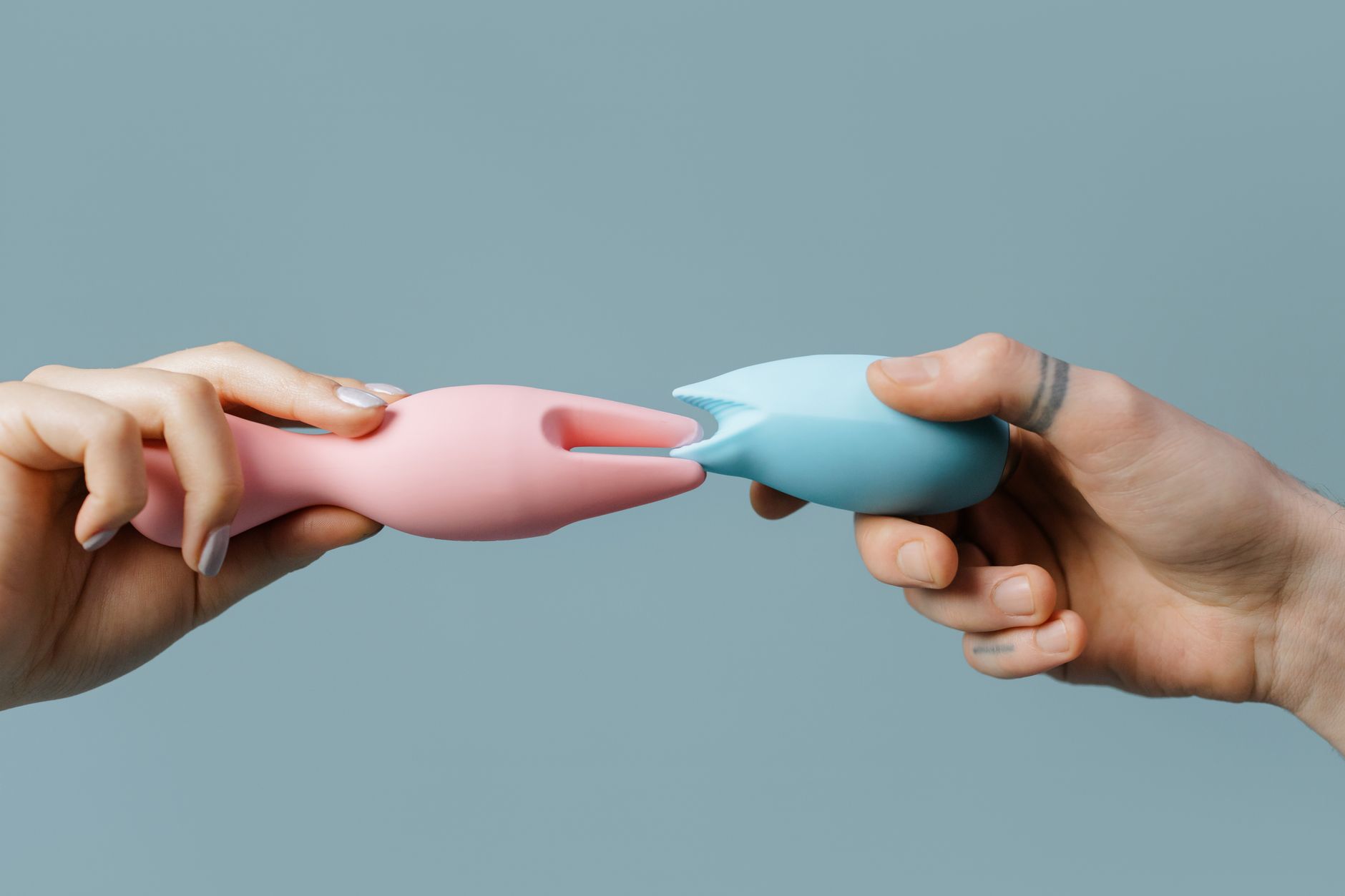
Photo by cottonbro studio on Pexels
If you're exploring and nothing happens for months, that's worth discussing with a provider who understands sexual health. Sometimes reduced sensation is physical. Sometimes it's psychological. Both are treatable. Neither means you're broken.
The real issue under all this
Learning pleasure in your 30s is also learning that you deserve attention. That your body matters. That sensation is something to pursue, not avoid. That's not small.
For most of your life, you've been taught to manage your body, control it, hide it. Learning that your clitoris exists to feel good is also learning that you're allowed to feel good. That your pleasure has value. That it's worth your time and attention.
That's the real transformation here. The lemon vibrator is just the tool. You're the one doing the work.
Questions people ask about this
How long does it actually take to feel something?
There's no standard timeline. Some people feel definite sensation within the first few sessions. Others take weeks of regular exploration before their body responds. If you're dissociated or have trauma history, it may take longer. Consistent, low-pressure exploration usually works better than intense, infrequent attempts. Think of it like learning to taste food again after chemotherapy. You're literally rewiring your nervous system's awareness of this part of your body.
What if I feel ashamed the entire time I'm trying this?
That's normal, and it doesn't mean you should stop. Shame is learned too, and it often sits right alongside pleasure. You might feel embarrassed, silly, or uncomfortable. That's data. That's your nervous system recognizing that you're doing something you were taught not to do. Keep going. The shame usually softens as the sensation becomes real. If it doesn't, talking to a therapist about your relationship to your body is genuinely worth it.
Can I use a lemon vibrator if I've never had any kind of sexual experience?
Absolutely. A lemon clitoral vibrator doesn't require sexual experience. It just requires curiosity and privacy. You're not preparing for sex. You're discovering sensation. That stands alone.
What if my partner pressured me to feel things before and now I'm nervous?
That makes sense. When someone has pressured you, your body learns to protect itself by shutting down sensation. Why Lemon Clitoral Vibrators Work Better When You Have Reduced Clitoral Sensation From Stress covers this specifically. The short version: you need to know that this exploration is entirely for you, with no performance required. A trauma-informed therapist can help you unwind the pressure.
Is it possible to use a lemon vibrator too much?
Not in a way that causes permanent damage. Your nerve endings don't get tired out. That said, if you're using it daily for hours, you might want to give yourself breaks so sensation stays interesting. Think of it like exercise. Consistent is better than sporadic, but relentless intensity can lead to diminishing returns.
What if I'm in a relationship and my partner finds out?
If you're exploring your own pleasure, that's your business. If you want to tell your partner, that's also your choice. Some couples find that one person's discovery of pleasure helps both of them. Some people keep their solo exploration private. Both are valid. Your partner's reaction to your pleasure is information about your relationship, not about whether your pleasure is allowed.
Start exploring. Give yourself time. You're not behind. You're not broken. You're just finally beginning.
If you want to talk through how this fits into a bigger conversation about your relationship or your body, contact Nancy Lemon Shop and let's set up a time to chat.