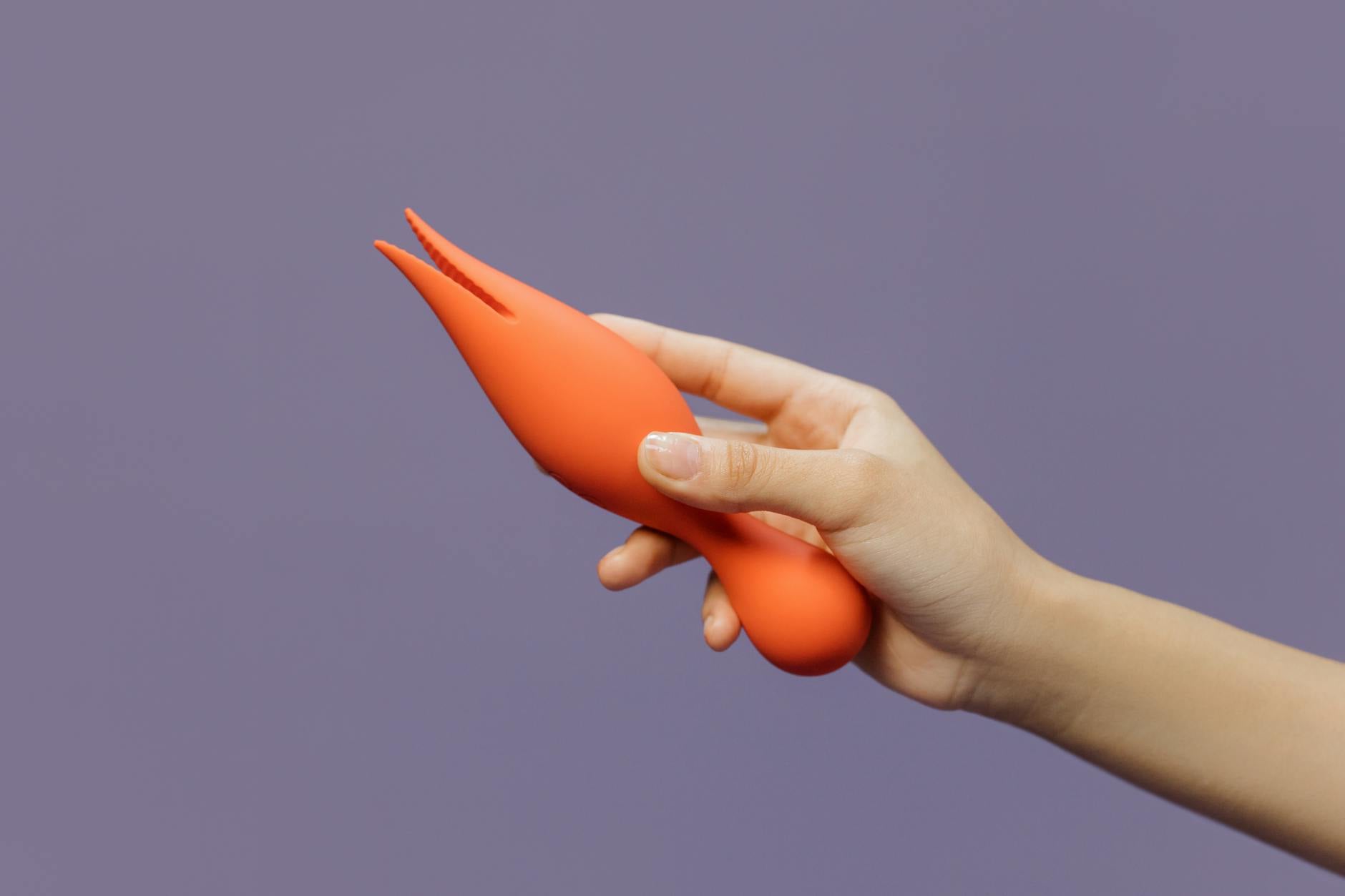
Let's be real about surgery and sex
Pelvic surgery.stops sex. Doctors say six weeks minimum, and honestly, the first four of those feel impossible anyway because you're managing pain, swelling, and basic function. But here's what nobody tells you clearly: once you get the all-clear, your body doesn't remember how to turn on like it did before. And that's not weakness. That's healing.
The question isn't whether you can have pleasure again. It's how to rebuild it safely, without triggering inflammation or disrupting the tissue that's spent weeks knitting itself back together. If you're thinking about reintroducing sensation with a lemon vibrator or other clitoral vibrator, there's a real roadmap for that. Let me walk you through it.
Understanding the pelvic surgery recovery timeline
Surgeries vary wildly. A hysterectomy, fibroid removal, endometriosis excision, pelvic floor repair, or bladder procedures all affect healing differently and come with different restrictions. Your surgeon's specific clearance matters more than any timeline I could give you.
But here's the general arc: weeks one through three are about pain management and basic mobility. Weeks four through six, inflammation starts dropping and you might feel something like your old self in short bursts, then crash hard. By week six or eight, assuming no complications, your surgeon usually clears you for "normal activity" including sex.
The catch? "Normal activity" and "what your body actually wants" are different things. You got the green light to have sex. Your nervous system is still in recovery mode. That nervous system doesn't know you're cleared. It still thinks you're broken.
Why sensation feels muted early on
Three reasons your pleasure response will feel different, and none of them mean you're broken.
First: neural shutdown. Surgery triggers your vagus nerve, which governs arousal, relaxation, and pleasure transmission. This nerve basically goes offline during the healing phase. It's a protective reflex. As healing completes, the nerve comes back online. But it takes longer than tissue repair. You could be physically healed for pleasure before you feel physically ready for pleasure.
Second: swelling and scar tissue. Even when cleared, the area is still tender. Anything touching directly can trigger inflammation, which resets your healing clock. You don't want that. Light air-suction sensation avoids direct friction pressure while still activating nerve endings.
Third: anticipatory tension. Your pelvic floor has spent weeks clenching around the trauma site. It doesn't relax on command. Trying to force sensation before that tension releases can trigger sharp pain or strange cramping that isn't actually dangerous but feels terrifying.
The timeline for reintroducing lemon vibrators
Once you have surgical clearance, here's what I recommend:
Weeks 6-8: No lemon vibrators yet. This is breathing and sensation mapping. Lie down, hands on your own body, no tools. Notice what feels warm, what feels numb, where sensation is blocked by tension. Spend five to ten minutes just observing. No goal.
Weeks 8-10: Gentle external air-suction at the lowest settings. This is where tools like the Lem start to make sense. Air-suction doesn't require direct friction. It gently activates nerve endings without pressure. Start with the lowest pattern, keep sessions under five minutes, and stop if you feel sharp pain (pressure is fine, sharp is not). You're rewaking the nervous system, not chasing orgasm.
Weeks 10-12: You can increase time and intensity slightly. But still keep it playful and exploratory, not goal-oriented. An orgasm is a bonus, not the point. If you're feeling nothing, that's normal. Keep going anyway.
Week 12 onward: Your surgeon probably cleared you weeks ago, but your nervous system is now on board too. Intensity, duration, patterns, multiple sessions. You're back to normal pleasure, just slower than you expected.
How air-suction lemon vibrators fit the recovery picture
When I recommend lemon clitoral vibrators or other suction-based toys to post-surgical clients, it's specifically because they avoid the friction problem. A traditional vibrator creates constant pressure and movement. Your healing tissue doesn't want that. Air-suction creates a gentle seal and pulsing rhythm that stimulates without forcing.
Here's why that matters: you can introduce sensation without introducing inflammation. You're not pressing on the surgical site. You're creating a gentle rhythm that wakes up nerve sensitivity without demanding anything from muscles that are still learning to relax.
The Lem's design also means you're in control of intensity from pattern one. You're not starting at "medium buzz." You're starting at almost nothing and building from there. That's recovery. That's honoring what your body has been through.
The physical setup that actually works
If your surgeon cleared you and you want to try a lemon vibrator, here's how to set yourself up for success.
Position matters. Lying flat on your back with your knees slightly bent is the gentlest position for pelvic healing. Avoid anything that pulls on the surgical site, so no deep penetration positions, no sitting on partners, nothing acrobatic. Simple. Flat. Safe.
Lube is essential. Even though the Lem is external, healing tissue tends toward dryness. A water-based lube makes the experience more comfortable and helps sensation travel better. It's not about being turned on. It's a healing aid.
Start with five minutes. Not because that's all you need, but because your nervous system doesn't know what's safe yet. Short sessions teach it that sensation is okay. Your next session will feel less scary because the last one didn't trigger pain.
Use your lowest pattern. On most lemon vibrators, pattern one is subtle. That's your friend right now. You're not trying to orgasm. You're rewiring the connection between your clitoris and your brain after surgery interrupted it.
Stop if you feel sharp pain. Pressure, fullness, or dull aching is normal and not dangerous. Sharp, stabbing, or burning pain means something is inflamed. Stop, rest, and wait another week. There's no timeline competition here.
The mental piece nobody talks about
Your body isn't the only thing recovering from surgery. Your brain is too. Surgery often triggers a grief response, especially when it involves reproductive organs or sexual function. You might feel disconnected from pleasure, or angry that you have to ease back in, or scared that something permanent changed.
It probably didn't. But those feelings are real and they're worth naming. Pleasure is partly physical and partly psychological. If you're grieving what you lost, or scared about what's changed, your nervous system will stay in protection mode no matter how much you use the Lem.
That's not a sign you should push harder. That's a sign you might benefit from talking to someone, partner or therapist, about what the surgery meant to you and what pleasure looks like on the other side.
If you have a partner, their patience here is worth its weight in gold. Let them know you're on a timeline that has nothing to do with them. You're rebuilding your own sensation, your own confidence, your own sense of what your body can feel. They're welcome to be part of that, but the pressure to perform or catch up to pre-surgery baseline will only slow the process.
When complications or concerns pop up
Most people use lemon vibrators during recovery without issue. But some people develop pain, prolonged swelling, or emotional resistance that doesn't ease with time.
If you're experiencing ongoing sharp pain, persistent swelling, or sensation that feels completely blocked weeks after using a clitoral vibrator, check back in with your surgeon. Sometimes there's minor inflammation that just needs a few more days. Sometimes there's a legitimate issue that needs attention. The only way to know is to ask.
If you're feeling emotionally blocked from pleasure, like you're going through the motions but nothing lands, consider talking to a therapist before you hit the frustration wall. Surgery can trigger trauma responses even when the surgery was planned and wanted. Processing that changes everything about how sensation feels.
FAQ
When can I safely start using a lemon vibrator after pelvic surgery?
Wait for your surgeon's clear go-ahead, usually six to eight weeks, then wait another two weeks before introducing any tools. That gives your nervous system time to start waking up before you ask it to perform. Start with the gentlest settings on your lemon clitoral vibrator and keep initial sessions short.
Does air-suction feel different after pelvic surgery than it did before?
Likely yes, at least temporarily. Swelling, scar tissue, and nervous system downtime all change sensation. What felt perfect before might feel weird or muted now. That's temporary. Consistent, gentle exploration usually brings familiar sensation back within a few weeks, though it might be slightly different than before. Your body is healing. Give it grace.
Can using a lemon vibrator too soon delay my healing?
Yes, if you go too hard too fast and trigger inflammation. But gentle air-suction at the lowest intensity, kept to five-minute sessions, rarely causes problems. The key is honoring sharp pain as a stop sign. Pressure and mild discomfort aren't dangerous. Sharp pain is your body asking you to slow down.
Is it normal to feel completely numb down there after pelvic surgery?
Completely normal, especially in the first six to eight weeks. Swelling compresses nerves. Your nervous system also protects itself by dampening sensation in traumatized areas. This usually reverses on its own, but it can take time. Gentle, consistent sensation work with a lemon vibrator can help rewire that connection faster than waiting alone.
Can I use a lemon vibrator with a partner after surgery?
Yes, but keep the conversation simple and pressure-free. Let them know you're rebuilding sensation, not performing for them. If they're involved, it's as a supportive presence, not a demand for any particular outcome. The second it feels like you're working to please them, your nervous system will lock up. Keep the focus on your own healing.
What if I still don't feel ready months after surgery?
This happens more than doctors admit. It usually means your nervous system is still in protection mode, which sometimes needs more than physical healing. A conversation with a therapist who specializes in sexual health or trauma can help you figure out whether it's physical restriction, emotional processing, or a mix. There's no "should" timeline here. Just recovery.