
Let's talk about reclaiming your body
Here's the thing nobody says clearly enough: pleasure after trauma is not a luxury. It's a reclamation. Using a lemon vibrator or any clitoral vibrator after sexual abuse or trauma is an act of agency. You're telling your nervous system that your body belongs to you again, that sensation can feel safe, and that joy is yours to have.
I've worked with survivors rebuilding intimacy for over two decades. The ones who heal fastest aren't the ones who wait until they feel "ready." They're the ones who give themselves permission to explore slowly, with tools designed for sensitivity, and with zero judgment about what feels good on any given day.
Why lemon vibrators work for trauma recovery
A lemon clitoral vibrator is different from most adult toys because of how its suction works. It stimulates without direct friction. That matters enormously for survivors because the gentleness of the sensation can help your nervous system relax into pleasure instead of tensing against it.
Here's what makes this specific type of lemon sexual toy valuable after trauma. The suction sensation activates pleasure pathways in your brain without triggering the threat response that direct pressure sometimes does. Survivors of abuse often carry tension in the pelvic floor and clitoral area. A gentle lemon vibrator bypasses that tension by working with your nervous system instead of against it.
The suction also gives you control. You're not being touched. You're choosing the intensity. You're the one directing the stimulation. After trauma, that agency matters psychologically.
Start smaller and gentler than you think
Most people start a lemon vibrator on setting 3 or 4. After trauma, I recommend starting on setting 1 and staying there for multiple sessions. This isn't about punishment or deprivation. It's about teaching your nervous system that stimulation can feel safe.
Your first goal isn't an orgasm. It's sensation without panic. It's discovering that pleasure can exist without the freeze, the flashback, or the dissociation that might have followed sex before.
When you're using a lemon clitoral vibrator for the first time after trauma, plan for 10 to 15 minutes maximum. Your brain is learning. Your body is recalibrating. Shorter, consistent sessions are far more effective than longer ones that might leave you feeling overwhelmed.
Building a container of safety
The tool matters. The context matters more.
Before you use any lemon vibrator or lemon adult toy, create conditions where your nervous system feels safe. Lock the door. Use a blanket or clothing you love. Put on music or silence, whichever feels grounding. Some survivors find it helpful to keep a phone nearby with a trusted person's number visible, not because you expect to call, but because the option exists.
If you live with a partner, you don't have to tell them what you're doing. Your solo pleasure is yours. But if you do want to tell them, frame it as "I'm doing something for my healing" rather than launching into explanation. You don't owe details.
Some survivors prefer solo use exclusively. Others eventually want to reintroduce partnered intimacy using a lemon vibrator together. Both paths are valid. There's no timeline. There's no "should." This is entirely about what your specific nervous system needs.
What to do if you freeze, dissociate, or panic
It can happen. You're using a lemon clitoral vibrator, and suddenly you're back in the moment of abuse. Your brain goes distant. Your body goes numb. You might feel panic.
Stop immediately. Turn off the device. Keep it off for several minutes. Don't rush to figure out what went wrong. Your nervous system just told you something it wasn't ready for yet.
This doesn't mean you're broken. This doesn't mean pleasure isn't possible for you. It means your timeline for rebuilding is slower than you wanted, and that's information.
After a flashback or freeze response, give yourself a week or two before trying again. When you do, go slower. Use a lower setting. Use it for five minutes instead of ten. Your nervous system needs smaller steps.
If you're having frequent dissociation or flashbacks outside of your attempts to use a lemon vibrator, that's a signal to work with a trauma-informed therapist. Therapy and pleasure practice can happen in parallel. One doesn't wait for the other to be "finished."
The shame piece that needs addressing
Many survivors believe that needing help to feel pleasure, or needing to start small, or needing to stop mid-session means something is wrong with them.
It doesn't. It means you experienced something that fractured your relationship with your own body. Rebuilding that relationship is work. Using a lemon vibrator or lemon sexual toy is part of that work, not evidence of brokenness.
If your partner makes you feel ashamed about this process, that's a relationship problem, not a you problem. You deserve support that feels affirming.
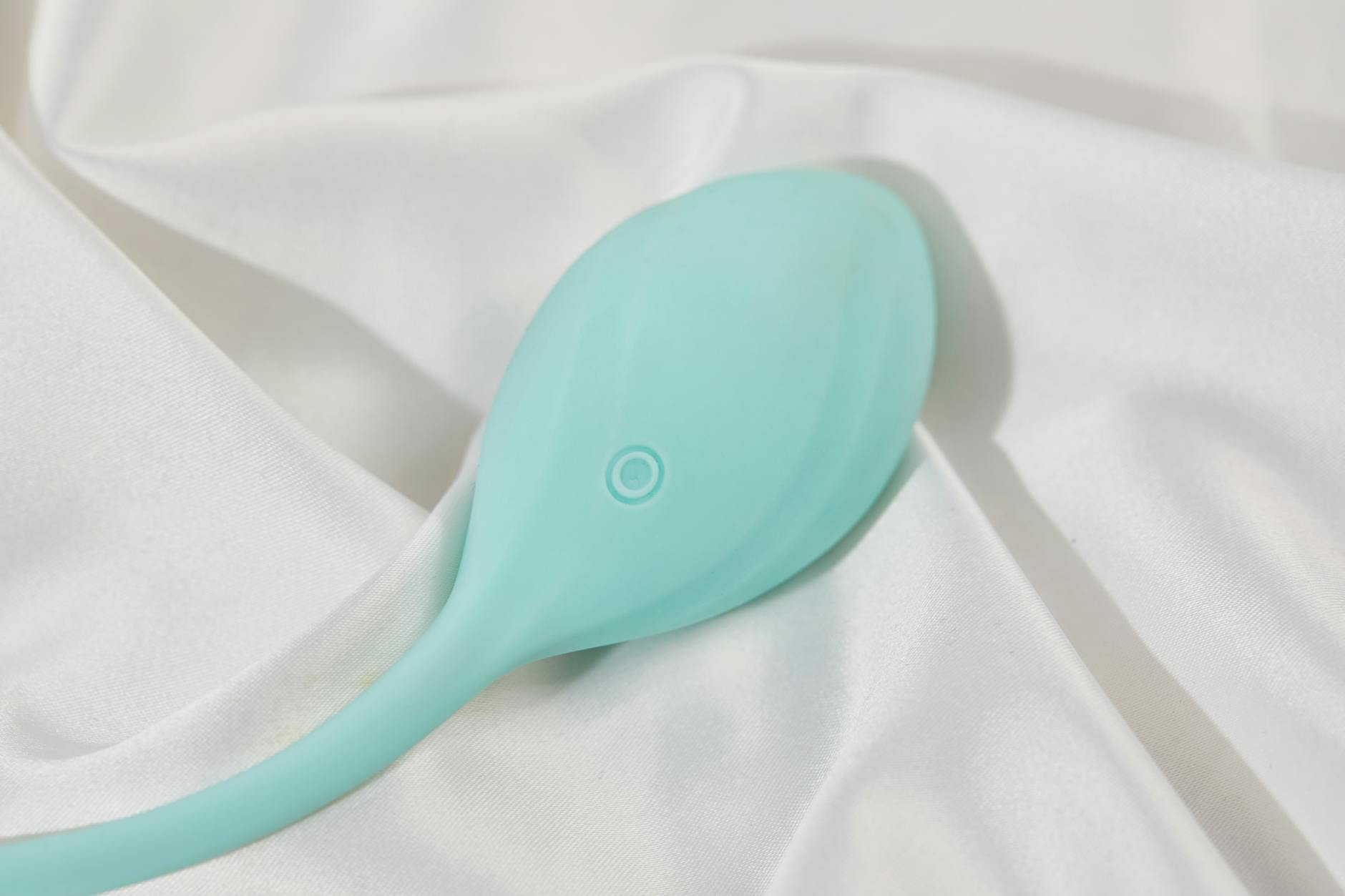
Photo by IFONNX Toys on Pexels
When to bring a partner into this practice
If you're in a relationship and want to eventually use a lemon clitoral vibrator with your partner, there's a specific order that works.
First, you use it alone multiple times. You build familiarity. You practice the nervous system calming. You discover what settings feel good. Then, when you're ready, your partner is present but inactive. They sit nearby. You use your lemon vibrator solo while they're simply there, which is a way of reintroducing the presence of another person during pleasure.
Only after that do you explore having them participate. "Participate" might mean they hold it for you. It might mean they touch you in other ways while you use it on yourself. It might mean you're just in the same room and they're present. The specifics matter less than the fact that you're in control of the pace.
If you find you can't relax with them present, that's okay. Some survivors reclaim solo pleasure easily but find partnered pleasure takes much longer. There's no deadline. How to Keep Using Lemon Vibrators Fresh in Long-Term Relationships covers how to navigate desire gaps with a partner who's supportive.
The role of professional support
A trauma-informed therapist or somatic practitioner can accelerate healing significantly. They can help you understand your specific nervous system responses and teach you grounding techniques that make pleasure feel safer.
If you're not in therapy, consider starting. If you are and your therapist isn't trauma-informed, consider finding one who is. The difference in how quickly you can rebuild safety and pleasure is substantial.
Some survivors find that EMDR, somatic experiencing, or sensorimotor psychotherapy pairs beautifully with gentle self-pleasure practices. If your therapist has expertise in any of these modalities and you're open to it, that conversation is worth having.
Real expectations for timeline
I'm going to be honest: rebuilding pleasure after trauma takes time. For some people, it's three months. For others, it's three years. Your timeline is not anyone else's.
What I can tell you is this. People who get back to pleasure fastest are the ones who are patient with themselves, who use tools specifically designed for sensitivity (like a gentle lemon vibrator), who build in safety rituals, and who see professional support if they need it.
Your body is not broken. Your nervous system learned to protect you. Now it's learning that pleasure can be part of safety too.
Questions people actually ask
Will using a lemon vibrator trigger flashbacks?
It might, and that's important information. But flashbacks usually mean your pacing is slightly too fast. Lower the setting, shorten the session, or take a week off and try again. Flashbacks don't mean you should never try again. They mean adjust and continue.
Should I tell my partner I'm using a lemon clitoral vibrator for trauma recovery?
That depends on your relationship. If your partner is supportive and you want them to understand your healing, yes. If you're still building trust, or if your partner has been unsupportive around your trauma history, keep it private. Your solo pleasure is yours. You don't owe explanation.
How long before I can use a lemon vibrator and feel fully relaxed?
Most people report feeling genuinely relaxed after 4 to 8 sessions of consistent solo use. But relaxed looks different for survivors. It might mean no flashbacks instead of no tension. It might mean you can breathe deeply instead of achieving an orgasm. Start there.
What if an orgasm doesn't feel good when I use a lemon vibrator?
Orgasms after trauma can feel unfamiliar. They might feel tense instead of releasing. That's normal. Your nervous system is rebuilding the association between pleasure and safety. Keep using the vibrator. The sensation will become more familiar, and eventually more enjoyable. Some survivors report that their best orgasms come months into consistent practice.
Can I use a lemon sexual toy if I'm on trauma medication?
Yes. Medications that help with anxiety or depression don't prevent pleasure. Some antidepressants can slightly delay orgasm, but that's not a reason to stop taking them or stop using a vibrator. If you're concerned about interactions, ask your prescriber, but there are no contraindications with using a gentle lemon vibrator while on psychiatric medication.
Is it normal to feel guilty about pleasure after trauma?
Absolutely. Many survivors carry a belief that they don't deserve pleasure, or that wanting it means they're "getting over it" too fast, or that it's disrespectful to what happened. None of that is true. Your pleasure is an act of survival and reclamation. It's an act of love toward yourself. Guilt usually fades as you practice more, but talking about it with a therapist helps accelerate that.
Your body, your timeline, your joy
Reclaiming pleasure after sexual trauma is one of the most radical acts of self-determination you can take. A lemon vibrator is a tool. A good therapist is a tool. Safety rituals are tools. Your patience with yourself is the most important one.
Start small. Stay consistent. Give your nervous system time. Reach out for professional support if you need it. Your pleasure matters. You deserve to feel good in your own body again.