Let's name the problem
Antidepressants work. They pull you out of the dark, stabilize your mood, make it possible to get out of bed. But somewhere in that neurochemical rebalancing, pleasure flattens. Your clitoris stops responding the way it used to. Orgasm becomes harder to reach, less intense when it arrives, or disappears entirely.
This isn't a side effect that gets discussed during your psychiatry appointment. Doctors mention weight gain, sleep changes, nausea. They don't mention numbness. But it's real, it's common, and it's deeply frustrating for people who finally feel mentally well enough to want pleasure again.
Here's the good news: it's not permanent, it's not your fault, and lemon vibrators work around it in a way that other toys often don't.
How SSRIs actually affect sensation
SSRIs (selective serotonin reuptake inhibitors) work by increasing available serotonin in your brain. That's the whole point. But serotonin doesn't just live in your brain. It's also present in nerve endings throughout your body, including the clitoris. When serotonin levels rise and stabilize, the sensory feedback from physical touch can get muted. Some people describe it as feeling distant from their body. Others say touch feels less "loud" neurologically.
Additionally, many SSRIs suppress dopamine slightly. Dopamine is central to pleasure, reward, and the kind of motivation that makes you want sex in the first place. So you're dealing with two things at once: less drive, and less sensation when you do engage.
The clitoris has roughly 8,000 nerve endings. SSRIs don't damage them. They just make the signal quieter. The good news: you don't need louder sensation from your own body if you bring in external stimulus that's specifically designed to reach through that chemical fog.
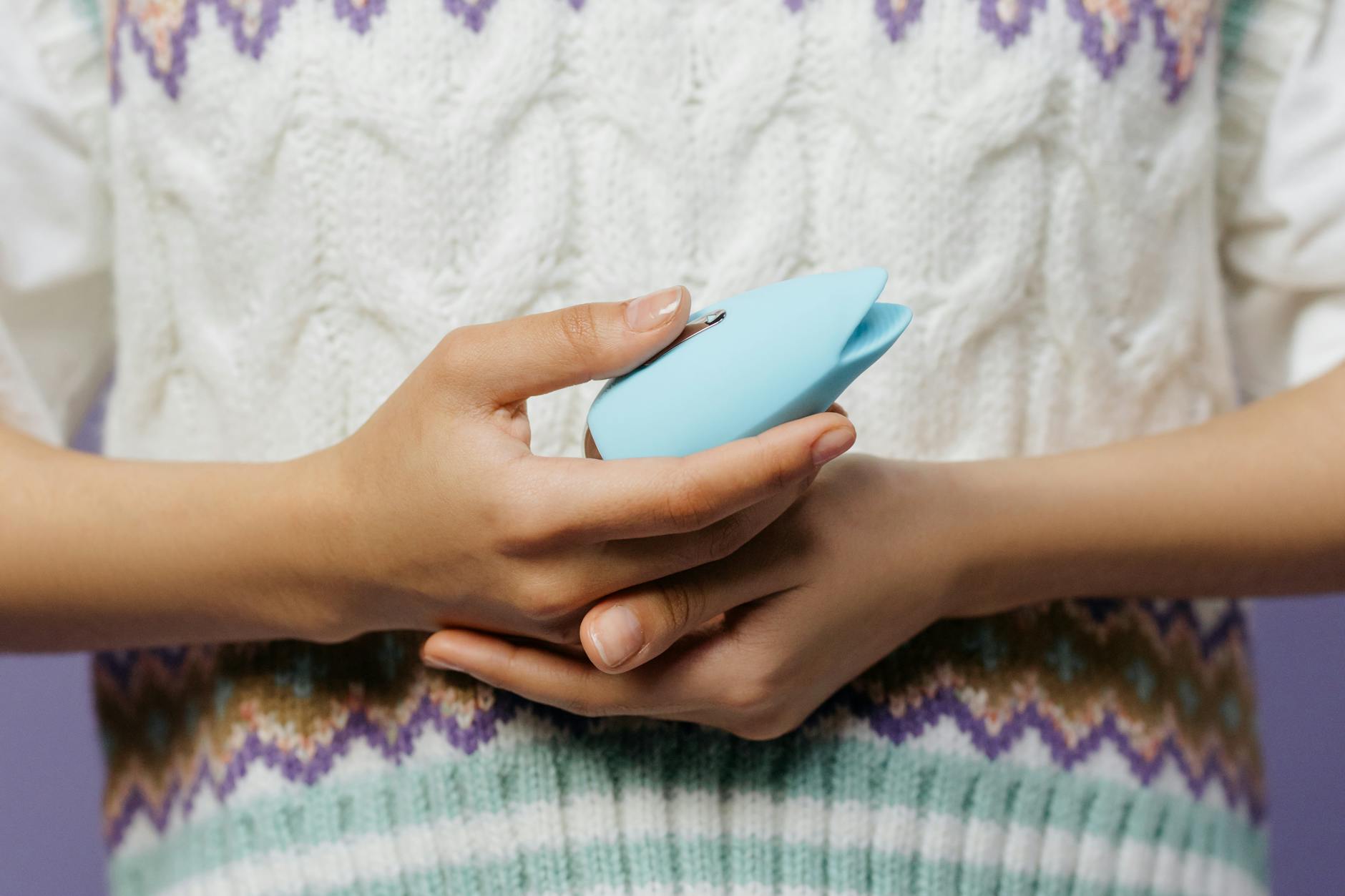
Photo by cottonbro studio on Pexels
Why air-pulse toys outperform traditional vibrators when sensation is muted
Vibration is one kind of stimulation. Air-suction is another. The Lem vibrator and other lemon clitoral vibrators work through gentle air pulse technology, not mechanical buzz. This matters enormously when medication has dulled your sensitivity.
Vibration requires the clitoris to feel the oscillating motion against it. When sensation is muted by SSRIs, vibration can feel dull or distant. Air-pulse technology, by contrast, works on a different neurological pathway. It creates a gentle drawing sensation that stimulates deeper nerve clusters around the clitoris, bypassing the surface numbness.
Think of it this way: if the typical vibrator is tapping on a door, the Lem is opening it. The sensation reaches the nervous system through a different route, which means medication side effects don't block it the same way.
Most of my clients on SSRIs report that lemon clitoral vibrators, particularly air-pulse designs, restore sensation faster than switching medications or waiting for tolerance to build.
Starting patterns and intensity when on antidepressants
Because sensation is already muted, the urge to jump straight to high-intensity settings is real. Resist it. The risk is training your body to expect hard stimulation, which can make other forms of touch feel even less satisfying.
Instead, start at pattern 1 or 2 on the Lem (or equivalent low setting on another lemon sucker). Spend 10 to 15 minutes exploring. The goal isn't orgasm on day one. The goal is reestablishing the neural pathway between the toy and your pleasure system.
Many people find that after several sessions at lower intensities, sensation gradually sharpens. Your nervous system remembers how to respond. Once that reconnection happens, you can move to higher patterns if you want, but often you won't need to.
Mental permission and desire when medication has flattened both
SSRIs don't just affect sensation. They affect desire. You may not feel like you want sex at all. This is separate from numbness, but it compounds the problem. No desire plus reduced sensation equals a tough situation.
Here's where internal conversation matters as much as external stimulus. Desire isn't always something you feel first. Sometimes it's something you create by deciding to show up for yourself. Set aside 20 minutes, no pressure to come, no phone nearby. Use your lemon vibrator. The act of deciding to touch yourself and explore is often the first step toward rebuilding desire.
Many people also find that using the toy solo, without the pressure of partnered sex, takes the performance anxiety out of it. You can feel numb and never have to explain it to anyone. You can take your time. You can stop. This permission piece is often what allows sensation to return.
When to talk to your psychiatrist about switching or adjusting
If you're on an SSRI and experiencing sexual side effects, mention it to your psychiatrist. Seriously. There are several options:
Some doctors prescribe a small additional medication to counteract the sexual side effects. Others suggest taking an extra dose of your SSRI on alternate days (called "drug holidays"), though this isn't ideal for everyone and requires medical supervision. Some SSRIs have lower sexual side effect profiles than others. Switching to another one might help without losing the mental health gains you've made.
None of these solutions happen overnight. In the meantime, a lemon vibrator can bridge the gap. It's not instead of talking to your doctor. It's the practical tool you use while you're figuring out the pharmaceutical adjustment.
Lubrication and pacing with medication-reduced sensation
When sensation is muted, lubrication matters even more than usual. A good water-based lubricant reduces friction and allows the Lem to glide smoothly over the clitoris without tugging at tissue. This is especially important because when your body isn't producing as much natural lubrication (also a potential SSRI side effect), you need external support.
Apply lubricant generously. The added glide doesn't just feel better. It sends clearer sensory signals to your nervous system. You're not fighting dryness. The stimulation can reach the nerve endings more directly.
Pacing also matters. Slow, intentional exploration tends to work better than rapid stimulation when medication has numbed response. Give your nervous system time to recognize what's happening. After 15 to 20 minutes at a moderate pace, sensation often sharpens noticeably.
Real expectations for timeline and recovery
Some people report that sensation returns within two to three weeks of consistent use of air-pulse toys. Others take two to three months. A small percentage find that even with optimal tools, sensation doesn't fully return on their current medication. That's when the psychiatrist conversation becomes critical.
What matters: don't assume the numbness is permanent. Don't assume you're broken. SSRI sexual side effects are well-documented, reversible, and manageable. Your job is to experiment with tools like lemon clitoral vibrators, give them real time, and report back to your doctor if things aren't improving.
You deserve pleasure. Mental health is important. Both are true at once. A lemon vibrator isn't a substitute for medical care, but it's a powerful tool while you're pursuing it.
FAQ: Medication, Sensation, and Pleasure
Can I use a lemon vibrator while on antidepressants?
Yes, absolutely. Air-pulse lemon clitoral vibrators like the Lem are actually particularly well-suited to people on SSRIs because they stimulate through a different neurological pathway than vibration. They often restore sensation faster than traditional vibrators when medication has dulled response.
Will my sensation come back if I keep using the toy?
Often, yes. Consistent, intentional use of air-pulse toys can rewaken neural pathways that SSRI side effects have muted. Most people report noticeable improvement within 2 to 8 weeks of regular sessions. Timeline varies by individual, medication, and dosage.
Should I tell my psychiatrist I'm using a vibrator?
You don't have to disclose the specific tool, but you should absolutely tell your doctor that you're experiencing sexual side effects and what you're doing to address them. This information helps them decide whether medication adjustments might help. Your psychiatrist has heard this before and is not judging you.
What if the vibrator doesn't help after a month?
If sensation hasn't improved after 4 to 6 weeks of consistent use, loop in your psychiatrist. You might benefit from a medication adjustment, a switch to a different SSRI, or a supplemental medication to counteract sexual side effects. A lemon vibrator is a good first step, but it's not a substitute for medical problem-solving.
Can I combine my SSRI with a different type of toy?
Try air-pulse technology first because it tends to work better when sensation is muted. If after a few weeks you want to add other toys to your exploration, that's fine. But many people find that once the Lem restores baseline sensation, they don't need additional stimulation.
Is this side effect going to last forever?
No. Medication side effects are reversible. You might switch medications, adjust dosage, take a drug holiday with medical supervision, or use a supplemental medication. Your psychiatrist has tools. It takes time to find the right solution, but numbness isn't a life sentence.
The bottom line
Antidepressants and pleasure aren't enemies. But SSRIs do mute sensation and desire, and that's worth naming and addressing. A lemon vibrator, especially one that uses air-pulse technology, can bridge that gap while you work with your psychiatrist on longer-term solutions. Your mental health matters. Your pleasure matters too. Both deserve attention.