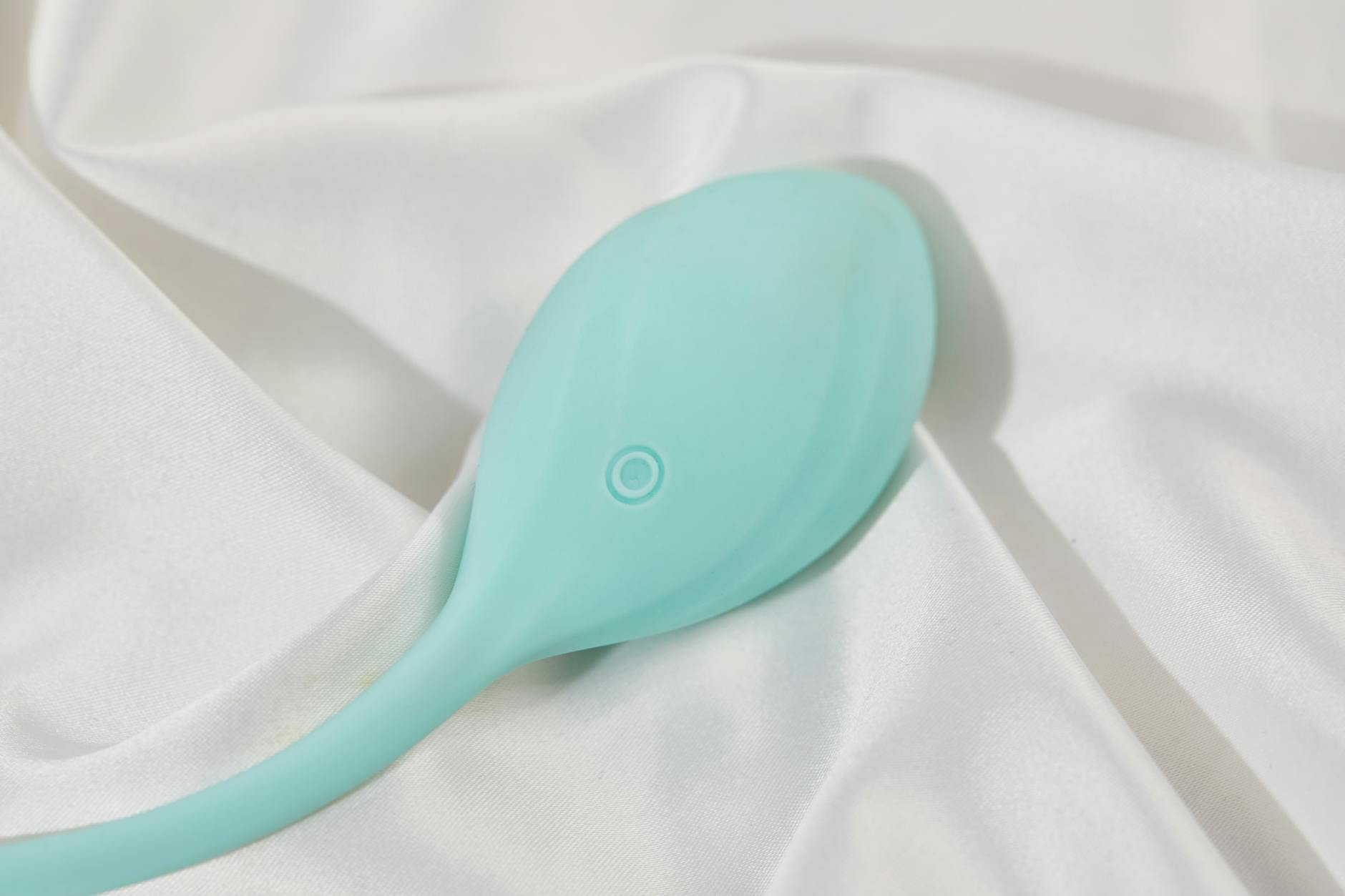
Here's what menopause actually does to tissue
Let's be real. Menopause doesn't just change how you feel emotionally. It changes the physical structure of the tissue that gives you pleasure. Estrogen is the building block that keeps vaginal and clitoral tissue thick, elastic, and responsive. When estrogen drops, that tissue thins. It becomes more fragile. Direct friction that felt amazing at 35 can feel raw or even painful at 55.
This isn't a personal failure. It's physiology. And it's absolutely manageable once you understand what's happening.
Why thin tissue needs a different approach
Thicker tissue can handle the direct vibration of a traditional wand vibrator. It has more cushioning. But thin tissue responds better to suction. Suction stimulates the thousands of nerve endings in your clitoris without the same mechanical pressure that can irritate delicate tissue.
This is where lemon vibrators, specifically the lem vibrator's suction-based design, become genuinely transformative. Instead of hammering away at tissue that's lost some of its protective layers, you get stimulation that feels precise, sustained, and actually safer for post-menopausal bodies.
The physiology of thin tissue response
When estrogen drops during menopause, three things happen to clitoral and vaginal tissue:
1. The epithelial layer thins. This is the outer surface layer. It becomes more delicate, more prone to micro-tears, and more sensitive to friction. That doesn't mean you're numb. It means direct pressure can feel harsh instead of pleasurable.
2. Blood flow decreases slightly. This means arousal takes longer to build and orgasms take longer to achieve. Budget extra time. This is not a speed problem. It's a pacing opportunity.
3. Lubrication production drops. Some people have plenty. Many don't. Adding lubricant isn't a sign something's wrong. It's smart body maintenance.
Here's what matters: the clitoral nerve density doesn't change. You still have the same number of nerve endings. They're just living in a body with less protective tissue around them. Suction-based stimulation, like what a lemon sucker provides, reaches those nerves without requiring the friction that can irritate thin tissue.
Why lemon clitoral vibrators beat traditional vibrators post-menopause
Think of it this way. A wand vibrator is like tapping. A lemon vibrator is like hugging.
Wand vibrators work through rapid oscillation, vibration directly against tissue. For someone with thin tissue after menopause, this can feel too intense or even uncomfortable. You end up turning down the intensity to survive it, which defeats the purpose of having a toy at all.
Lemon vibrators work through air-pulsing technology, creating suction that draws the clitoris gently into a small chamber where it's stimulated through waves of gentle pressure. This is fundamentally different. It's indirect. It's sustained. It's designed for sensitivity.
Many of my clients who tried wand vibrators before menopause and found them too much, or who tried them after menopause and found them uncomfortable, experience their first real pleasure with a clitoral vibrator using suction technology. The lem vibrator specifically gives you multiple intensity levels and patterns that let you start low and build at your own pace.
Exactly how to use a lemon vibrator with thin tissue
Four practical steps that make a real difference:
Start with lubrication. Even if you're naturally lubricated, water-based lubricant is your friend here. It reduces friction between the toy and your skin, which is exactly what thin tissue needs. Apply it to the outside of the toy before you begin. Reapply if things feel less slippery halfway through.
Begin on the lowest intensity pattern. Don't start on pattern 3 or 4 thinking you need power. Begin on pattern 1. Feel what that feels like in your body. Your clitoris needs time to wake up. Thin tissue especially benefits from a slow, patient warm-up. Many people find they reach orgasm more reliably starting low and building gradually than they ever did with immediate high intensity.
Position yourself so you're relaxed. Tension in your pelvic floor and surrounding muscles actually makes thin tissue more vulnerable. If you're gripping, you're more likely to feel discomfort. Lie back. Use pillows. Make sure your thighs aren't clenched. Relaxation is not a luxury here. It's a technical requirement.
Move the toy slowly across the clitoral area rather than locking it in place. Because suction-based lemon vibrators create pressure in a specific chamber, keeping the toy in one spot for the entire session can sometimes feel too concentrated. Gentle side-to-side movement, or slowly circling, lets you find the exact spot that feels best without overloading any single area of thin tissue.
Managing the hormonal pieces while you're using lemon adult toys
Tissue thickness is only part of the menopause story. Hormonal changes also affect arousal speed, orgasm intensity, and sometimes desire itself. Using a lemon clitoral vibrator effectively after menopause means paying attention to all of these.
Arousal takes longer to build. Budget 15 to 25 minutes just for warm-up, not including the toy itself. Read something that turns you on. Touch your body. Let your brain catch up to what you're about to do. This isn't procrastination. This is foreplay with yourself.
Orgasms might feel different. Shallower sometimes. More concentrated in the clitoris itself rather than radiating outward. This is normal and okay. Let go of what you remember pleasure feeling like at 40. This is new territory. Many people find their best orgasms happen after they stop chasing the old pattern.
Desire might feel lower overall. If that's true for you, it's worth checking in with a doctor about whether testosterone therapy or topical estrogen might help. Those are legitimate medical options that can shift things significantly. Using a clitoral vibrator is not a substitute for treating a hormone imbalance. But it is a tool that works better once hormone levels are stable.
The role of your partner, if you have one
If you're in a relationship, using a lemon vibrator with thin tissue post-menopause is not a sign your partner isn't enough. It's a sign your body has changed and you're adapting intelligently. Communication here is everything.
Many partners worry that introducing a toy means they're failing somehow. They're not. You're not. You're both just working with a different body than you had before. The best couples I work with treat this as a collaborative project. My partner has vaginal tissue that's thinned from menopause. We're going to try a lemon sucker together and see what works. That frame makes it shared, not isolating.
Some partners love participating. Some prefer you use it on your own. Both are fine. The only wrong move is treating it like a secret or a symptom of relationship trouble.
When to see a specialist
If stimulation causes pain even with lubrication and gentle approach, see a menopause-trained gynecologist. Genitourinary syndrome of menopause (GSM) is real and often treatable with topical estrogen creams or vaginal moisturizers. You don't have to white-knuckle through this.
If desire has completely disappeared and a lemon vibrator doesn't help spark anything, that might be a hormone conversation. Testosterone is prescribed more conservatively in some places than others, but it's worth asking about if low desire is the real problem.
If you're not sure whether what you're feeling is normal post-menopausal change or something that needs attention, a conversation with a healthcare provider trained in sexual health is worth your time. This is their job. They've heard it all.
FAQ: Lemon Vibrators and Post-Menopausal Tissue
Can I use a lemon vibrator if my tissue is very thin from menopause?
Absolutely. Suction-based lemon clitoral vibrators are actually better for thin tissue than traditional vibrators because they don't rely on direct friction. Start on the lowest setting with plenty of water-based lubricant. Your tissue will tell you if something feels wrong. If there's genuine pain, not just sensitivity, pause and talk to a doctor.
How often can I safely use a lemon vibrator when I have thin tissue?
As often as you want, really. Using a clitoral vibrator doesn't damage tissue or make it thinner. Gentle, regular use can actually help because it increases blood flow to the area, which supports tissue health. Some people use theirs several times a week. Some use it daily. Listen to your body. If you feel irritation, take a break for a day or two.
Does thin tissue mean I need more lubrication than I used to?
Usually yes. Thin tissue produces less natural lubrication, and what it does produce might not be quite as slippery as it was before menopause. Water-based lubricant is your friend. It's not a failure on your part. It's a smart adaptation.
Will a lemon vibrator help me have orgasms after menopause even with thin tissue?
Most people find that yes, it helps significantly. The suction design is gentler than traditional vibration, which means you can actually enjoy the sensation instead of just tolerating it. Many of my clients report their first reliable orgasms after menopause came using a lemon sucker. Patience and the right intensity matter more than force.
Is there a difference between how I should use a lem vibrator versus other lemon vibrators?
The lem vibrator is the most researched option in the lemon vibrator category. It has multiple intensity levels and patterns specifically designed for different tissue sensitivities. Start with the patterns labeled for sensitivity. The main difference between brands is how many intensity options you get and how intuitive the controls are. Read reviews from people with similar tissue concerns to you.
What if my partner wants to use a lemon vibrator on me but I'm nervous about thin tissue?
Communication first. Tell your partner exactly what you're nervous about: that your tissue is thinner, that direct pressure feels uncomfortable, that you need a slower pace. A good partner will welcome this information. Show them how to hold the toy, where to position it, and ask them to start on the lowest setting. You can always ask them to go slower or stop if something doesn't feel right. Your comfort is the only thing that matters.
The bottom line: thin tissue is normal, and lemon vibrators work
Menopause changes your body. That's not a punishment. It's a transition. And transitions sometimes require different tools. Lemon clitoral vibrators, especially suction-based designs, are genuinely better suited to post-menopausal tissue than many of the toys marketed to everyone else.
Start low. Use lubricant. Give your body time. And remember that thin tissue doesn't mean the end of pleasure. For many people, it's actually the beginning of a different kind of pleasure, one where you finally have permission to slow down and pay attention to exactly what feels good.
If you have questions about using a clitoral vibrator after menopause, or if you're not sure whether what you're experiencing is normal, reach out. That's what we're here for.