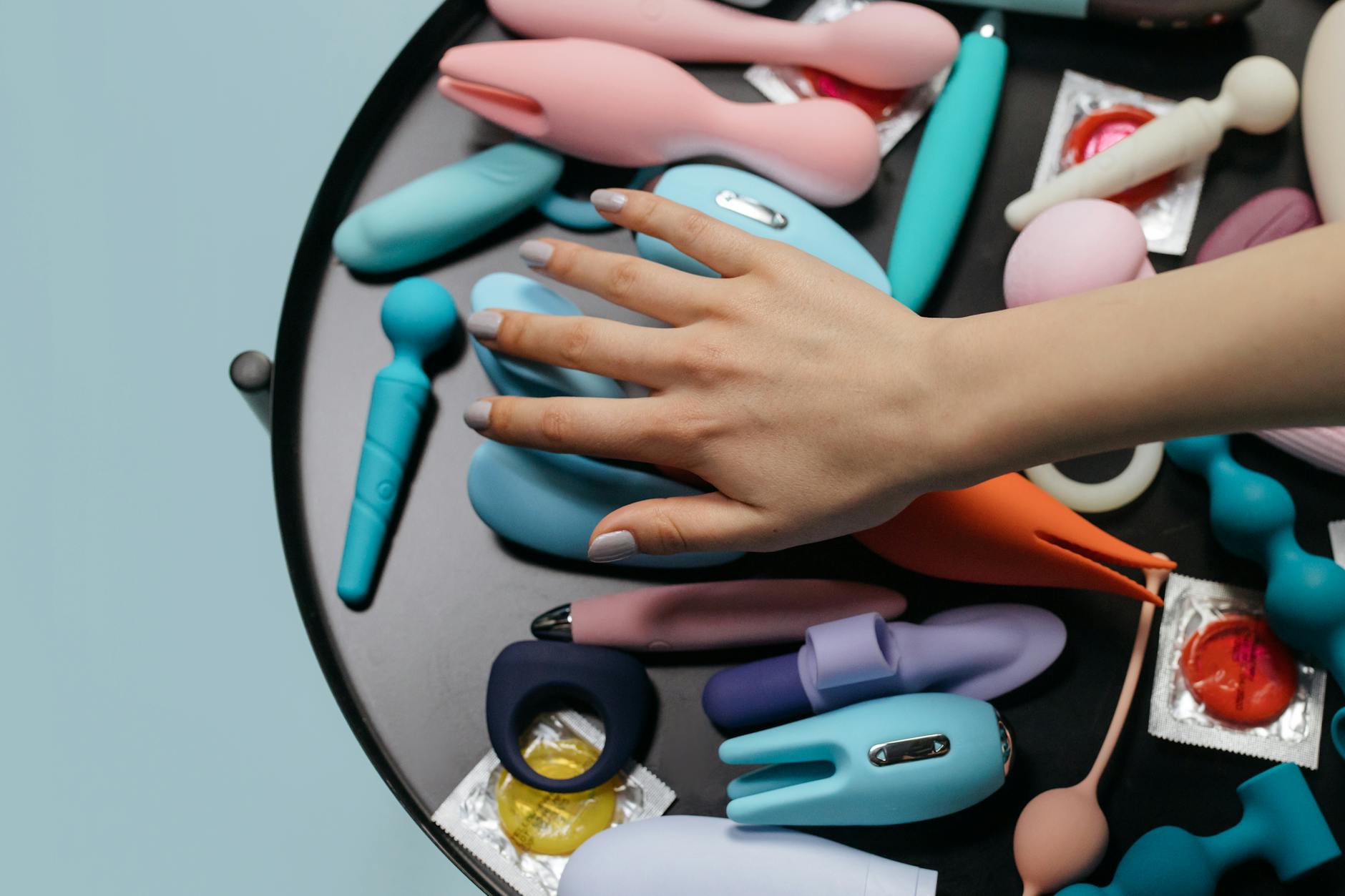
Here's the thing about endometriosis and sex
Endometriosis makes your body unpredictable. Some days penetration feels manageable. Other days, anything internal triggers pain that lasts for hours. Most sex advice assumes your body is cooperating. When you have endometriosis, that's a dangerous assumption.
The good news: clitoral stimulation is a totally different neurological pathway from penetrative pain. This means orgasms are still accessible to you, even when penetration isn't.
Let me be direct: using a lemon clitoral vibrator when you have endometriosis isn't a workaround. It's an actual solution.
Why penetration-focused sex fails with endometriosis
Endometriosis grows tissue outside your uterus. During your cycle, this tissue bleeds inside your body, causing inflammation, scar tissue, and sometimes severe pain. But here's what most partners don't understand: the pain isn't random or "in your head." It's a physical inflammatory response.
When you're in pain or anticipating pain, two things happen. Your pelvic floor muscles tighten defensively, which makes penetration feel worse. And your nervous system goes into protective mode, which blocks pleasure signals. Pushing through that typically backfires.
Clitoral stimulation bypasses this entirely. The clitoris has about 8,000 nerve endings, but almost none of them are connected to the areas where endometriosis causes inflammation. You can orgasm without touching the painful spots at all.
The case for air-suction vibrators over traditional vibes
Most vibrators use percussion. They buzz. For endometriosis sufferers, constant vibration can irritate already-inflamed tissue and keep your nervous system in high alert.
Air-suction clitoral vibrators like the Lem work completely differently. They create gentle rhythmic suction and release instead of vibration. This feels less intense, more focused, and crucially, it doesn't require you to be in a high state of arousal to feel something. You can start the Lem at low intensity and gradually build, and your body won't panic.
The suction pattern also tends to feel less overwhelming to nervous systems that are already hypervigilant about pain. Patients I work with often report that traditional vibrators feel like too much stimulation when they're dealing with pelvic inflammation. The Lem's pattern feels manageable.
Timing and your cycle matter more than you think
With endometriosis, your pain levels fluctuate. Days 1 through 7 of your cycle (when bleeding is heaviest) are typically your worst pain days. Days 14 through 21 are usually better. This matters because it changes what you can tolerate.
Use your clitoral vibrator during your less painful window. If you have a partner, plot this out together. It takes the guesswork out of "is sex an option today?" When you both know that days 18 to 22 are typically your best days for pleasure, you can actually plan around it instead of hoping it works out.
During your heaviest pain days, orgasm is still possible, but approach it differently. You might use the Lem fully clothed, over underwear, focusing on sensation rather than intensity. You're building familiarity with your body's responses without pushing your nervous system.
The four adjustments that make the biggest difference
1. Start with external stimulation only. Don't even think about penetration until you've had several successful orgasms from clitoral stimulation alone. This trains your nervous system that pleasure is possible without pain. Once that connection is established, adding penetration later becomes an optional bonus, not a desperate necessity.
2. Use the lowest intensity setting. Most people with endometriosis start on setting 1 or 2 of their vibrator and stay there for entire sessions. There's no prize for graduating to higher settings. Your goal is sustained pleasure, not intensity.
3. Pair it with a heating pad on your lower abdomen. Heat relaxes the inflamed tissue and pelvic floor muscles. A heating pad during or before using your lemon clitoral vibrator genuinely changes the experience. The combination of external heat and gentle suction tends to open up sensation rather than block it.
4. Stop the moment anything feels painful. This isn't quitting. This is respecting your body's communication. Endometriosis requires you to be a better listener to your body than most people have to be. If something hurts, stop, breathe, and try again another time. Your nervous system learns to trust you when you honor that.
What to do if your partner is hesitant about toys
Some partners worry that using a vibrator means sex with them isn't enough. That worry gets worse when sex is already complicated by pain. Here's what I tell couples: clitoral vibrators don't replace your partner. They replace pain.
Frame it clearly. Say: "My body is dealing with inflammation, and penetration sometimes triggers pain I can't control. A clitoral vibrator lets me have orgasms without that pain. That means we both get to have pleasure. Without it, pleasure just isn't on the table."
If your partner still resists, reread that sentence. Because it's true. A vibrator isn't a luxury when you have endometriosis. It's accessibility.
Many partners actually find that once sex stops being painful for their partner, they both relax and enjoy it more. When penetration happens, it's because it feels good, not because someone is gritting their teeth through it.
Managing expectations on bad pain days
Some days, endometriosis pain is so severe that even clitoral stimulation feels like too much. On those days, the goal isn't orgasm. The goal is comfort.
You might use your vibrator just to feel something pleasant on your body, without pushing toward climax. That's completely valid. Your body's pleasure response is in there. Some days it's just quieter.
If you have a partner, this is when non-sexual intimacy becomes crucial. Holding you while you use your vibrator. Gentle touch. Sitting with you. These matter more than you might think.
When to loop in your gynecologist
If pain during sex is severe enough to block orgasm even with external stimulation, mention it to your gynecologist at your next appointment. Sometimes adjusting your endometriosis treatment plan (hormonal medication, surgery, physical therapy) can shift what's tolerable.
There's also a possibility of pelvic floor physical therapy, which helps teach your muscles to relax rather than clench defensively. Combined with a lemon clitoral vibrator, pelvic floor PT can genuinely expand your capacity for pleasure.
The real permission you need
Let's be honest: if you have endometriosis, you've probably already internalized the message that your body is broken or complicated or somehow less than. It's not. Your body is dealing with a real, chronic condition. Using pleasure tools isn't a workaround for a broken system. It's a legitimate adaptation to a legitimate problem.
Your orgasms matter. Your pleasure matters. And you deserve to access them in whatever way works for your body, full stop.
People also ask
Can you use a clitoral vibrator during your period with endometriosis?
Yes, as long as you're comfortable. Some people find that orgasms actually ease period pain and cramping. Others find that heavy flow makes it awkward or uncomfortable. There's no rule here. If it feels good, do it. If it doesn't, skip it. During your heaviest bleeding days, you might find that using your vibrator over underwear or a pad is more comfortable than direct contact. The point is: you get to decide.
Does vibration make endometriosis pain worse?
Vibration from a traditional vibrator can sometimes irritate already-inflamed tissue. Air-suction vibrators like the Lem tend to feel gentler because they don't buzz constantly. But even within suction, intensity matters. Starting at the lowest setting and building up slowly helps your nervous system stay calm. If a vibrator causes pain, stop using it and try again on a different day or with less intensity.
What if penetration hurts but clitoral stimulation doesn't?
That's actually the most common scenario with endometriosis. Clitoral pleasure is accessible because it's neurologically separate from the tissue causing pain. You can have a full, satisfying sexual life using clitoral stimulation exclusively. This isn't settling. This is honoring what your body can do right now.
Can a lemon vibrator help with both pleasure and endometriosis pain relief?
Orgasms do have a pain-relief effect. They increase endorphins and temporarily relax pelvic floor tension. Many of my clients report that using a clitoral vibrator doesn't just feel good. It actually reduces their endometriosis pain for several hours afterward. That's not a side effect. That's a bonus.
Should you tell your partner about using a vibrator if you have endometriosis?
Yes. Honesty matters. Endometriosis is already isolating because of pain and reduced sexual frequency. Adding secrecy just makes it worse. A partner who loves you wants you to have pleasure and relief. If yours doesn't, that's important information about the relationship itself. A tool that helps you access pleasure isn't something to hide. It's something to share.
Is there a best time of day to use a clitoral vibrator when you have endometriosis?
Yes. Morning or early afternoon tends to be better than evening for most people with endometriosis. Pain and fatigue tend to intensify as the day goes on. You'll have more energy and typically less pain in the morning, which means your nervous system is more available for pleasure. That said, every body is different. Pay attention to your own patterns and choose your timing accordingly.
Worth knowing
Endometriosis changes what sex looks like. That doesn't mean it ends. Learning how your body responds to different types of stimulation takes time and patience, but it's entirely worth it. You're not broken. You're adapting. And there's real pleasure waiting for you on the other side of that adaptation.
If you're navigating this alone, talking to a therapist who specializes in chronic pain and sexuality can help. If you're in a relationship, talking through the sex stuff explicitly with a couples counselor familiar with chronic illness is equally valuable. These conversations matter.