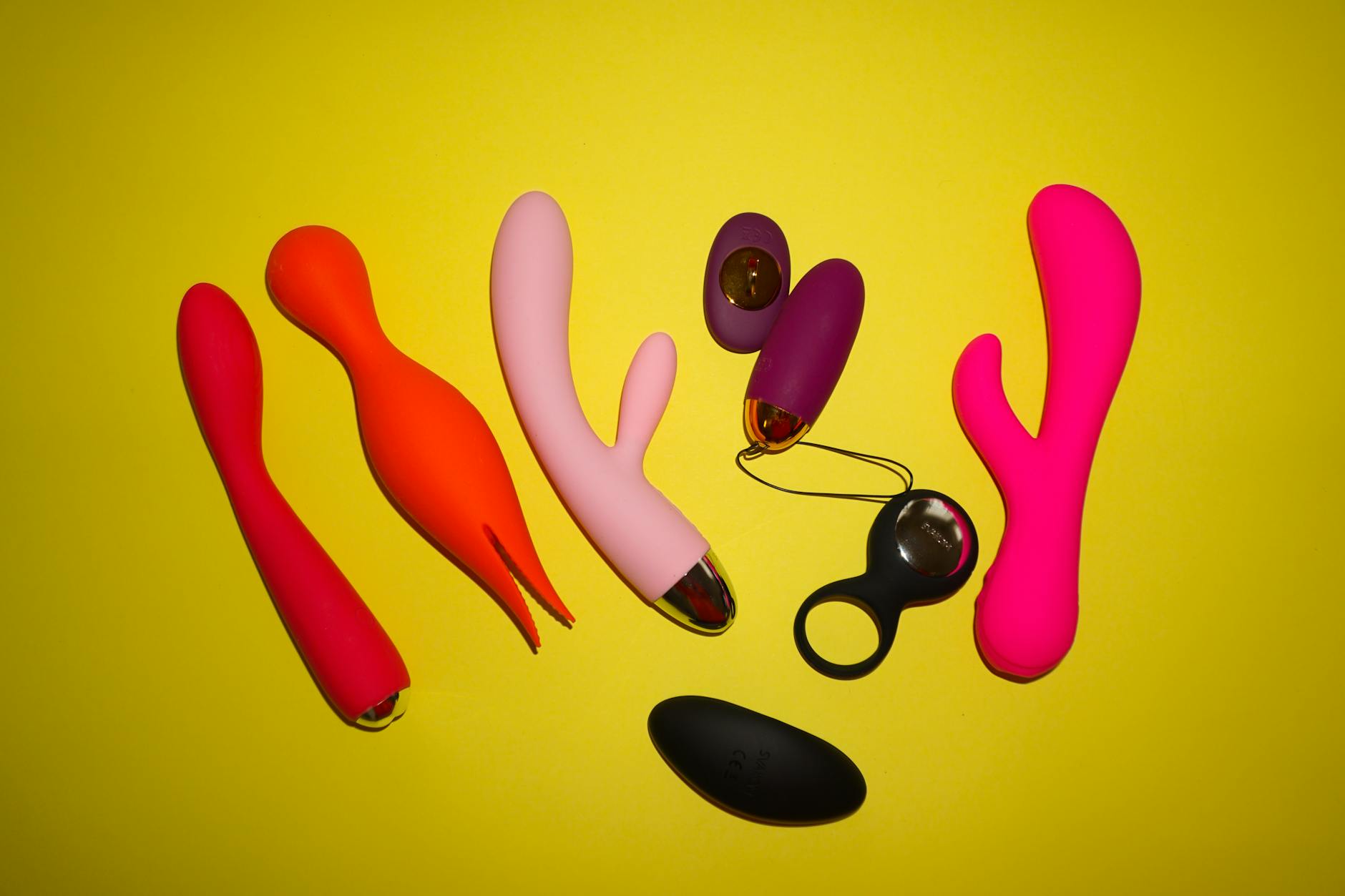
The silence problem is louder than you think
Your partner won't talk about sex. Not about what they like, not about what's missing, not even about whether they're satisfied. The silence sits there between you like an unwelcome guest at dinner.
Here's the thing. Most people who avoid sex talk aren't avoiding it because they don't care about pleasure. They're avoiding it because vulnerability feels dangerous. Rejection stings. Admitting desire feels exposed. For a lot of people, especially those raised with shame around sexuality, naming what they want feels like stepping off a cliff.
But that avoidance costs something. It costs intimacy, spontaneity, satisfaction, and often the slow erosion of connection itself.
Why lemon vibrators work as conversation starters (when other approaches fail)
A vibrator is not a person. It doesn't judge. It doesn't have opinions about your body or your desires. That's the secret ingredient that makes lemon clitoral vibrators such powerful tools for couples who can't talk.
When direct conversation feels too risky, introducing a tool gives you something external to focus on. Instead of "I want more pleasure," it becomes "let's try this together." Instead of vulnerability, it's curiosity. That shift in framing removes some of the emotional threat.
Lemon vibrators specifically work because they're:
Playful. The design isn't clinical or intimidating. It's visually distinctive, almost whimsical. That lightness can defuse embarrassment.
Small enough to feel manageable. You're not introducing some massive device that announces itself. A lemon sucker like the Lemon vibrator fits into a hand, into a pocket, into a conversation more easily than larger tools do.
Specific about what they're for. Clitoral vibrators do one thing very well. That clarity means less ambiguity, fewer assumptions about what "using this" means.
How to bring it up without triggering shutdown
Timing matters more than you think. Don't introduce this mid-conflict, during stress, or right before bed when your partner is depleted. Choose a calm moment, outside the bedroom.
The frame is everything. Here are three approaches that work.
Option 1: The experimentation angle. "I saw this article about lemon clitoral vibrators. I'm curious what it would feel like. Would you be interested in trying it together sometime?" This positions it as something you want to explore, not something you're asking them to fix.
Option 2: The self-pleasure angle. "I've been thinking about exploring what feels good to me on my own. I ordered a toy I want to try. I'm not sure if I want to incorporate it into us time, but I wanted you to know." This invites them without demanding anything. Sometimes partners become interested once they see you enjoying yourself.
Option 3: The partnership angle. "I've realized we don't talk much about pleasure, and I think we're both missing out. I don't want to pressure you into anything, but I want to try something that might make it easier for us to explore together. I'm thinking about getting one of those lemon vibrators I read about." Honest, specific, low pressure.
If the first conversation doesn't land, don't push. Plant the seed and let it sit.
What happens next (usually better than you expect)
Many partners who won't initiate sex talk will become curious once you do. Not immediately, and not all of them, but curiosity often follows when someone realizes their partner is genuinely interested in their own pleasure.
When they're ready to engage, that's when lemon vibrators become a bridge. Here's why the conversation shifts once a tool is present.
A lemon vibrator gives you both something to direct attention toward that isn't each other's bodies or emotions. You can focus on the sensation, the experience, the rhythm. That external focus takes the pressure off performance or being "perfect" at sex.
You can also use the toy to slow things down in a way that creates space for talking. "Does this feel good? Harder or softer?" becomes a natural way to practice giving each other feedback without it feeling clinical.
Many couples who've avoided discussing pleasure for years find that introducing a clitoral vibrator actually makes them talk more. Not because the toy is magic. Because the toy creates permission. Suddenly it's not "we need to talk about sex." It's "let's figure this out together."
The slow conversion (patience is the real skill here)
Some partners warm up to the idea over weeks or months. That's normal. Don't interpret reluctance as rejection of you. Often it's reluctance about their own discomfort with sexuality, shame, or fear.
In the meantime, you can still use lemon vibrators on your own. Your own pleasure is not contingent on their comfort. Solo exploration isn't selfish. It's maintenance. And your partner witnessing your comfort with your own body can quietly shift their relationship to sexuality too.
If you're in a relationship where sex talk remains completely off limits after you've made genuine efforts to open dialogue, that's information too. That might mean you need support from a therapist or counselor. Not because something is wrong with you, but because some dynamics benefit from a neutral third party.
When the conversation finally happens
Once you're past the initial resistance (or alongside it), here's how to actually use a lemon vibrator as a conversation tool rather than just a toy.
Start slow. Use it on yourself first, with your partner present but not participating. Let them see you enjoying it without pressure to join in.
Narrate what's happening. Not in a performance way, but genuinely. "This feels really good on the sides" or "I like this pattern" or "That intensity was too much but backing it down helps." Hearing real feedback demystifies the experience.
Invite them to hold it. Not inside themselves, just hold it. Let them feel how it vibrates, how it moves. Let them experience it as an object before it becomes something more intimate.
Ask questions, but gently. "What do you think?" "Interested in trying?" "Want to see what it feels like on you?" All of these are invitations, not demands.
Celebrate small wins. If your partner just holds a lemon vibrator, that's progress. If they're willing to be in the room, that's progress. If they eventually use one, that's progress. Don't expect a sudden transformation into someone comfortable with sex talk. Comfort builds over time.
The deeper work (beyond the toy)
Honestly, a lemon vibrator is not a substitute for addressing the underlying avoidance. If your partner refuses to talk about sex indefinitely, that's a relationship pattern that might need professional attention.
But what a vibrator can do is lower the barrier to entry. It can make the first conversation easier. It can transform "we need to talk about this scary thing" into "let's try this together," which feels less threatening.
If you've tried introducing lemon vibrators to your partner without making it weird and still hit a wall, that might be worth exploring with a couples therapist. Sometimes the resistance isn't about the toy or even about sex. It's about deeper trust issues or communication patterns that deserve professional support.
But more often than not, once your partner sees that pleasure conversations aren't dangerous, they start to relax. Clitoral vibrators, including the Nancy Lemon Shop's signature lemon designs, can be that gentle beginning.
FAQ: What people actually ask
Will introducing a vibrator make my partner think I'm not satisfied with them?
Possibly, initially. That's why framing matters. The conversation is "I want to explore what feels good" not "you're not doing it right." Over time, most partners understand that toys aren't replacements. They're additions. They're a way of deepening pleasure together, not a commentary on anyone's performance.
What if my partner feels threatened?
That's a real possibility, especially if sex talk has been avoided for a long time. Threatening feelings are worth honoring and exploring. Ask what specifically feels threatening. Is it jealousy? Fear of inadequacy? Shame about sexuality? Different fears need different reassurance. Sometimes that reassurance only comes through repeated positive experiences using the toy together.
Can a lemon clitoral vibrator actually improve communication?
It can create the conditions for communication. The tool itself isn't magical, but it does lower barriers. It gives you both something external to focus on while you practice being vulnerable. That practice often carries over into other conversations.
How do I know if this approach is working?
You'll notice small shifts. Your partner mentions sensation or pleasure without you bringing it up first. They ask questions about the vibrator. They show up to intimate moments with more curiosity. They initiate conversation about sex, even just to ask "want to use that again?" Those are wins.
What if nothing changes?
Then you might be dealing with a bigger communication block or relationship pattern. That's not a failure on your part. It's information that you might benefit from outside support, whether that's therapy for yourself or couples counseling together.
Is there a right way to use a lemon vibrator if my partner is still uncomfortable?
Yes. Slowly. With explicit permission at each step. Asking for feedback. Pausing if they seem withdrawn. The goal is to build trust that pleasure can exist without threat. That takes time and consistency, not pressure.
The honest truth
You can't force someone to be comfortable talking about pleasure. But you can create the gentlest possible invitation. You can make it safe. You can show them that desire and vulnerability don't have to be scary.
A lemon vibrator won't heal deep communication wounds. But it can be the beginning of healing. It can be the moment when your partner realizes that being honest about pleasure is actually possible. That's where real intimacy starts.
If you're ready to have this conversation and need help knowing where to begin, reach out. Sometimes having a plan makes all the difference.